

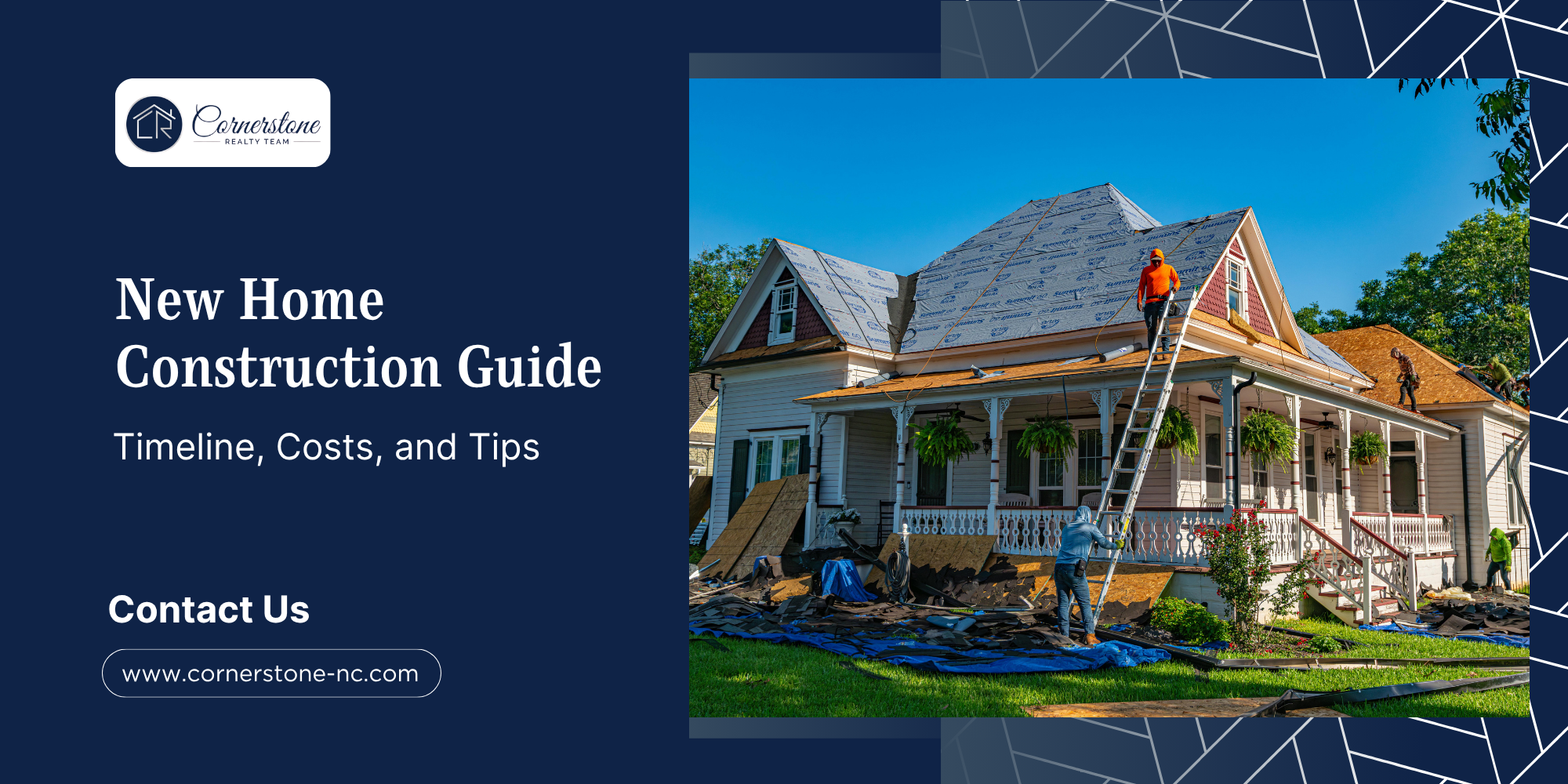
Building a new home gives you the freedom to shape every detail according to your lifestyle. You choose the layout, materials, finishes, and features that match your vision. Unlike buying an existing property, new construction allows you to start fresh and avoid outdated designs or costly repairs.
However, building a home requires careful planning, financial clarity, and patience. Following a reliable new home construction guide can help you stay organized and make informed decisions throughout the journey. You need to manage timelines, monitor costs, and make choices at every stage. If you plan to build in 2026, you must approach the process with a clear roadmap.
This article serves as your new home construction guide, explaining timelines, costs, and practical tips so you can move forward with confidence and avoid common mistakes.
What Is New Home Construction?
New home construction involves building a house from the ground up on a vacant lot. You begin with land selection, move to design and approvals, and then proceed with construction until the home is ready for occupancy.
Buyers often choose this option because it provides flexibility. You can select modern layouts, energy-efficient systems, and updated designs that suit current living standards. Instead of adapting to an existing structure, you create a home that fits your needs from day one.
Timeline of New Home Construction
A clear timeline helps you set expectations and plan your move. While every project differs, most homes take between 6 and 12 months to complete. Larger or custom homes may take longer.
Pre-Construction Phase (1–3 Months)
This phase lays the groundwork for your entire project. Decisions made here affect cost, design, and timeline.
Land Purchase
You need to select the right plot before starting construction. Consider location, neighborhood growth, school access, and proximity to work. You should also check zoning laws, soil quality, drainage, and access to utilities such as water, electricity, and sewage.
A poor land choice can lead to delays and additional costs, so take time to evaluate all factors. Many buyers also benefit from residential buyer representation at this stage, as it helps them make informed decisions while negotiating land deals and reviewing contracts.
Design and Planning
Architects and designers help translate your ideas into a workable plan. During this stage, you finalize:
- Floor plans
- Number of rooms and layout
- Exterior style
- Materials and finishes
- Structural details
You should also think about future needs. For example, extra storage, home office space, or flexible rooms can add long-term value.
Permits and Approvals
Local authorities must approve your construction plans before work begins. This includes building permits, environmental checks, and zoning compliance.
Delays often happen at this stage due to incomplete documents or regulatory requirements. You can reduce delays by working with experienced professionals who understand local rules.
Construction Phase (4–8 Months)
This phase transforms your plans into a physical structure. Each step builds on the previous one, so proper coordination is essential.
Site Preparation and Foundation
Builders clear the land, remove debris, and level the surface. They mark the layout and pour the foundation, which supports the entire structure.
A strong foundation ensures durability and prevents structural issues in the future. Builders may use slab, crawl space, or basement foundations depending on soil conditions and design.
Framing
Framing gives shape to your home. Builders construct walls, floors, and the roof structure during this stage.
Once framing is complete, you can walk through the house and see room sizes and layout. This is a good time to confirm that everything matches your expectations.
Plumbing, Electrical, and HVAC
Contractors install essential systems, including:
- Water supply and drainage
- Electrical wiring and outlets
- Heating, ventilation, and air conditioning systems
These systems must meet safety codes and efficiency standards. Proper installation reduces maintenance issues later.
Interior and Exterior Work
This stage focuses on finishing the structure.
Interior work includes:
- Insulation
- Drywall installation
- Painting
- Flooring
- Cabinets and fixtures
Exterior work includes:
- Roofing
- Siding or brickwork
- Windows and doors
- Driveways and pathways
At this stage, your home begins to look complete.
Final Phase (1–2 Months)
The final phase prepares your home for move-in.
Final Inspections
Inspectors check the property to ensure it meets safety and building standards. They review electrical systems, plumbing, and structural elements.
Walkthrough and Fixes
You walk through the home with your builder and identify any issues. This may include minor repairs, paint touch-ups, or adjustments to fixtures.
Closing and Move-In
Once everything meets expectations, you complete paperwork and take possession of your home. You can then plan your move and start settling in.
Costs of Building a New Home
Costs vary based on location, design, and material choices. You need to plan your budget carefully to avoid financial stress.
Average Cost Per Square Foot
In 2026, building costs typically range from $120 to $250 per square foot. Custom homes, premium materials, and complex designs can push costs higher.
Major Cost Components
Land Cost
Land often represents a significant portion of your budget. Prices depend on location, demand, and available infrastructure.
Design and Architectural Fees
Architects charge for creating plans and revisions. These fees usually range from 5% to 15% of the total construction cost.
Construction Materials
Material costs include:
- Concrete and steel
- Lumber
- Roofing materials
- Flooring and finishes
Prices may fluctuate due to supply and demand.
Labor Costs
Skilled workers such as carpenters, electricians, and plumbers contribute to overall expenses. Labor rates vary by region and project complexity.
Permits and Fees
Local authorities charge fees for approvals, inspections, and permits. These costs vary depending on your location.
Hidden Costs to Consider
Many buyers overlook additional expenses that can increase the total cost.
- Landscaping and outdoor design
- Utility connections and setup
- Interior upgrades and custom features
- Appliances and furniture
- Maintenance tools and initial repairs
You should keep a contingency fund of at least 10–15% to handle unexpected expenses.
Key Benefits of Residential Buyer Representation That Impact Construction Time and Cost
Here are 7 key benefits of residential buyer representation that impact construction time and cost:
- Builder Selection Made Easy – A buyer’s representative helps you choose a reputable builder, reducing risks of delays and costly mistakes during construction.
- Better Contract Negotiation – They review and negotiate contracts to ensure fair pricing, clear timelines, and protection from unexpected charges.
- Effective Budget Management – With expert guidance, you can avoid hidden costs and make smart financial decisions that keep your project within budget.
- Clear Communication Channel – A buyer’s agent acts as a bridge between you and the builder, helping prevent misunderstandings that can lead to delays.
- Faster Issue Resolution – When problems arise, they step in quickly to resolve them, minimizing disruptions and extra expenses.
- Time Efficiency – Their experience helps streamline the entire process, saving valuable time from planning to completion.
- Reduced Stress – With professional support, you can focus on decisions while they handle complexities, ensuring a smoother construction journey.
Tips for a Smooth Home Building Process
A well-planned approach can make your home-building journey more manageable.
Choose the Right Builder
Select a builder with a proven track record. Review past projects, talk to previous clients, and verify licenses.
Set a Realistic Budget
Define your budget early and include all expected costs. Avoid frequent changes during construction, as they increase expenses.
Plan for Delays
Expect minor delays and build flexibility into your schedule. This helps you stay prepared and reduces stress.
Communicate Clearly
Stay in regular contact with your builder and contractors. Clear communication prevents misunderstandings and keeps the project on track.
Focus on Energy Efficiency
Install energy-efficient windows, insulation, and appliances. These features reduce long-term utility costs and improve comfort.
Prioritize Essential Features
Focus on features you need most. You can add upgrades later as your budget allows.
Pros of Building a New Home
Building a new home offers several benefits.
Custom Design
You can design your home according to your preferences and lifestyle.
Modern Features
New homes include updated layouts, smart technology, and energy-efficient systems.
Lower Maintenance
New construction reduces repair costs in the early years since everything is brand new.
Challenges to Keep in Mind
Building a home also comes with challenges.
Time Commitment
The process requires patience and active involvement from start to finish.
Budget Control
Costs can increase if you make frequent changes or choose premium upgrades.
Decision Overload
You need to make many decisions during construction, which can feel overwhelming.
Is New Construction Right for You?
New construction works best for buyers who want control over design and are willing to invest time in the process. If you prefer a ready-to-move option, an existing home may suit you better. However, if you value customization and modern living, building a home can be a rewarding experience.
Final Thoughts
Building a new home in 2026 allows you to create a space that matches your lifestyle and future plans. With proper planning, a clear budget, and the right team, you can manage the process effectively and avoid common setbacks. Stay involved, make informed decisions, and focus on long-term value.
If you want expert support at every stage of your project, the professionals at Cornerstone Realty Team can guide you through land selection, builder coordination, and the entire home construction process with confidence