The Best Things to Do in Hillsborough: A Guide to Small-Town Charm
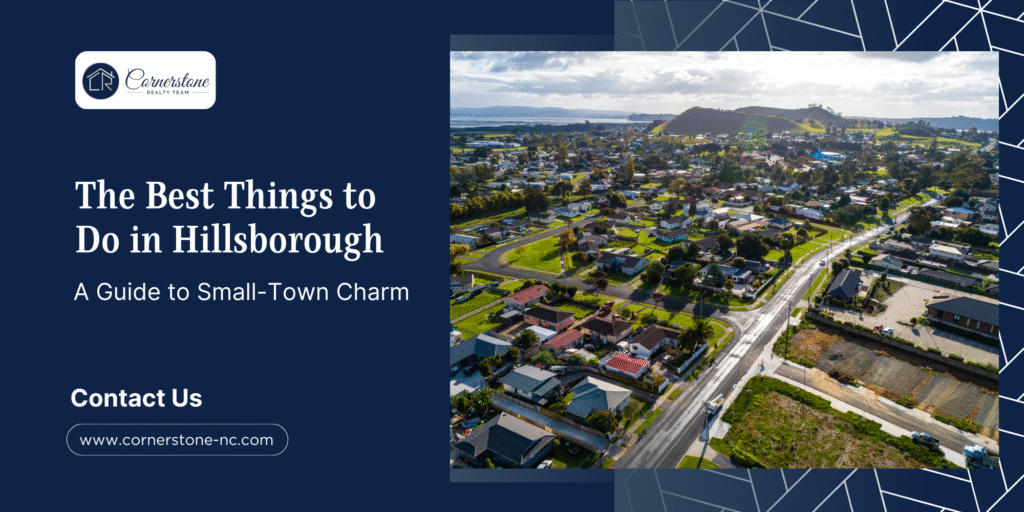
In a world that often feels like it’s moving too fast, there’s something special about a place that invites you to slow down. A place where historic buildings tell stories, where the river flows gently through town, and where local shop owners know their customers by name. That place is Hillsborough, North Carolina. Nestled in Orange County, just a short drive from the hustle of Durham and Chapel Hill, Hillsborough offers a refreshing change of pace. It’s a town rich with history, art, and a deep sense of community. It’s the kind of place where you can park your car and spend a whole day exploring on foot, discovering hidden gems around every corner. Whether you’re considering a move to the area or just looking for a perfect weekend day trip, this guide will walk you through the best things to do in Hillsborough. Let’s explore the small-town charm that makes this place so captivating. Stroll Through Historic Downtown The heart and soul of Hillsborough is its beautifully preserved downtown. As you walk along Churton Street, you’re tracing the steps of history. The streets are lined with buildings from the 18th and 19th centuries, now home to a vibrant collection of independent shops, bookstores, and cafes. Start your visit at the Hillsborough Visitors Center, located in the historic Alexander Dickson House, to grab a map and get a sense of the town’s layout. From there, let your curiosity guide you. You’ll find everything from antique stores filled with treasures to modern boutiques showcasing local artisans. Don’t miss Ayr Mount, a stunning Federal-era plantation house, or the Old Orange County Courthouse, which stands as a proud centerpiece of the town. Immerse Yourself in the Arts and Culture Scene For a town of its size, Hillsborough has a remarkably rich arts scene. It has long been a haven for writers, artists, and creatives, and that spirit is alive and well today. Hillsborough Gallery of Arts: This artist-owned cooperative gallery on Churton Street features the work of more than 20 local artists. You’ll find a diverse mix of paintings, sculptures, photography, pottery, and jewelry. It’s the perfect place to find a unique piece of art that tells a local story. Literary History: Hillsborough has been home to a surprising number of acclaimed authors. You can feel this literary spirit at Purple Crow Books, a beloved independent bookstore where you can get lost in the stacks for hours. The town also celebrates its writing roots with events and historical markers. Last Fridays Art Walk: If you’re here on the last Friday of the month (from April to November), you’re in for a treat. The Last Fridays Art Walk brings the town to life with open galleries, live music, special events at local shops, and a festive community atmosphere. It’s a great way to support local artists and businesses while immersing yourself in the vibrant arts scene of Amherst. Emily Dickinson Museum: One of the most famous literary figures from Amherst is poet Emily Dickinson. You can visit her homestead, now turned into a museum, and explore her life and work through guided tours, exhibits, and events. The beautiful gardens surrounding the house are also worth a visit for some quiet reflection. Explore the Great Outdoors Along the Riverwalk One of Hillsborough’s greatest treasures is the way it integrates nature into the fabric of the town. The best example of this is the Riverwalk, a paved greenway that follows the scenic Eno River. Stretching for nearly two miles, the Riverwalk connects Gold Park in the west to the historic Occoneechee Speedway Trail in the east. It’s an accessible path perfect for walking, jogging, or pushing a stroller. As you meander along the river, you’ll cross beautiful bridges and enjoy peaceful views of the water. It’s a favorite spot for locals to get their daily exercise or simply unwind after a long day. The trail is part of the larger Mountains-to-Sea Trail, connecting Hillsborough to North Carolina’s broader natural beauty. Savor Local Flavors and Unique Dining Hillsborough’s food scene reflects its personality: authentic, high-quality, and full of local character. You won’t find many big chains here. Instead, you’ll discover chef-owned restaurants and cozy cafes that take pride in their craft. For a Cozy Meal: Saratoga Grill is a local institution known for its fresh seafood and intimate atmosphere. For authentic Southern cooking with a modern twist, check out The Wooden Nickel Public House, a classic pub with a great beer selection and some of the best wings in Triangle! For a Morning Coffee: Start your day at Cup-A-Joe, a go-to spot for coffee lovers, or visit The TBCo. (The Hillsborough Bakeshop and Pasta Co.) for incredible pastries and fresh-baked bread. For a Sweet Treat: Matthew’s Chocolates is a must-visit for anyone with a sweet tooth. Their handcrafted chocolates and confections are a work of art. Step Back in Time at Occoneechee Speedway Just a short walk from downtown via the Riverwalk lies one of the most unique attractions in the state: the Historic Occoneechee Speedway Trail. This is one of the last remaining dirt tracks from NASCAR’s inaugural 1949 season. Today, the old speedway has been reclaimed by nature. You can walk the one-mile loop of the original track, imagining the roar of the engines and the cheers of the crowd. Interpretive signs along the trail tell the story of the legendary drivers who raced here, like Richard Petty and Junior Johnson. The infield is now a peaceful meadow, and the old grandstands offer a quiet spot to sit and reflect. It’s a fascinating blend of sports history and natural beauty. Finding Your Place in Hillsborough Hillsborough is more than just a collection of things to do; it’s a feeling. It’s the sense of connection you get from supporting local businesses. It’s the peace you feel while walking along the river. It’s the warmth of a community that values its history while embracing a creative future. For those searching for a place that feels like
7 Key Benefits of Residential Buyer Representation You Should Know Before Buying

Buying a home is one of the biggest financial decisions most people make in their lifetime. Whether you are purchasing your first home or investing in another property, the process can be complicated and sometimes overwhelming. This is where Residential Buyer Representation becomes extremely valuable. Many buyers think they can manage the process alone, but having a professional representing your interests can make the journey smoother, safer, and more successful. In simple terms, Residential Buyer Representation means having a real estate professional who works exclusively for the buyer. Their role is to protect the buyer’s interests, guide them through the process, and ensure they make the best possible decision. Before you move forward with a home purchase, understanding the key benefits of Residential Buyer Representation can help you see why it is so important. Below are seven major advantages that every homebuyer should know before buying a property. 1. Professional Guidance Throughout the Buying Process The home buying process involves many steps, including property research, financing, negotiations, legal paperwork, inspections, and closing procedures. For someone who is not familiar with real estate transactions, this process can feel confusing. With Residential Buyer Representation, buyers receive professional guidance from start to finish. A buyer’s representative explains each stage of the process clearly, helping you understand what to expect and what decisions you need to make. They also help you avoid common mistakes that many first-time buyers make, such as overpaying for a property or missing important contract details. This guidance gives buyers confidence and peace of mind during the entire journey. 2. Access to More Property Options When searching for a home on your own, you might only see the listings available on public websites. However, real estate professionals often have access to additional property listings and industry networks. Through Residential Buyer Representation, buyers can discover more homes that match their needs and budget. A buyer’s agent can also recommend properties that buyers may not have considered but that perfectly fit their lifestyle. This wider access increases your chances of finding the right home without spending endless hours searching online. 3. Strong Negotiation Support Negotiation is one of the most important parts of buying a home. The price of the property, repairs, closing costs, and contract terms can all be negotiated. Without experience, buyers may not know how to approach negotiations effectively. One of the biggest advantages of Residential Buyer Representation is having a skilled negotiator on your side. A buyer’s representative understands local market conditions and knows how to structure offers that protect the buyer’s interests. They can help you avoid overpaying for a property and may even negotiate better terms such as repair credits or favorable closing conditions. 4. Protection of Your Best Interests In real estate transactions, different professionals may represent different parties. The seller typically has an agent who works to secure the best deal for them. Without your own representation, you may not have someone focused solely on your needs. Residential Buyer Representation ensures that the professional working with you is committed to protecting your interests. Their responsibility is to provide honest advice, highlight potential risks, and help you make informed decisions. This level of representation is especially important when reviewing contracts or evaluating the true value of a property. 5. Help With Paperwork and Legal Details Real estate transactions involve a significant amount of documentation. Purchase agreements, disclosures, inspection reports, and financing paperwork all play an important role in the process. Handling these documents incorrectly can lead to delays or even legal complications. With Residential Buyer Representation, buyers receive assistance in reviewing and understanding all paperwork before signing anything. Your representative ensures that deadlines are met, documents are properly completed, and important details are not overlooked. 6. Market Knowledge and Property Insights Understanding the real estate market is essential when purchasing a home. Property values, neighborhood trends, future developments, and comparable sales all influence whether a home is a good investment. A professional offering Residential Buyer Representation brings valuable market knowledge to the table. They analyze property prices, compare similar homes, and provide insights about neighborhoods that buyers may not be familiar with. This information helps buyers make smarter decisions and ensures they invest in a property that holds long-term value. 7. Reduced Stress and a Smoother Experience Buying a home can be stressful, especially when unexpected challenges arise. Delays in financing, inspection issues, or last-minute paperwork problems can make the process overwhelming. With Residential Buyer Representation, buyers have a dedicated professional managing the details and solving problems along the way. They coordinate with lenders, inspectors, and other professionals to keep the transaction moving forward smoothly. Having someone handle these responsibilities allows buyers to focus on the exciting part of the process—finding and preparing for their new home. Why Residential Buyer Representation Matters More Than Ever Today’s real estate market can be competitive and fast-moving. Homes may receive multiple offers, and buyers often need to make quick yet informed decisions. In this environment, Residential Buyer Representation provides an important advantage. Buyers benefit from expert advice, professional negotiation skills, and market insights that help them stand out and secure the right property. Whether you are buying your first home, upgrading to a larger property, or investing in real estate, having a professional representative can significantly improve your experience and results. Final Thoughts Purchasing a home is not just about finding a property it’s about making a smart financial decision for your future. The process involves many steps, from researching homes to negotiating the price and completing legal paperwork. This is why Residential Buyer Representation plays such an important role in modern real estate transactions. With expert guidance, strong negotiation support, and protection of your interests, buyers can navigate the home buying journey with confidence. Before starting your home search, consider working with a professional who specializes in Residential Buyer Representation. The right support can save you time, reduce stress, and help you secure the perfect home at the best possible value.
The Best Neighborhoods in Chapel Hill for Walkability and Community
We all know the feeling. You finish a long day of work, and instead of sitting in traffic, you take a short stroll to a local café, grab dinner on a patio, or meet a neighbor at the park—all without ever getting in your car. For many of us, the dream of “home” isn’t just about square footage or countertop finishes. It’s about connection. It’s about living in a place where the community feels built-in, not just an afterthought. If you are looking for that blend of convenience and connection, Chapel Hill is one of the best places in the Triangle to find it. But not every neighborhood offers the same lifestyle. Some are tucked away in the woods for privacy, while others are designed specifically to bring people together. This guide is for those who want the latter. We’re breaking down the best neighborhoods in Chapel Hill for walkability and community, so you can find a place that fits not just your budget, but your life. What Does “Walkability” Really Mean in Chapel Hill? When we talk about walkability here, we aren’t just talking about sidewalks. A truly walkable neighborhood is one where you can actually do things on foot. It means having amenities—grocery stores, coffee shops, schools, or parks—integrated into the fabric of the community. It means safe, tree-lined streets that invite you to step outside. It means seeing your neighbors out and about, creating that natural sense of safety and belonging. In Chapel Hill, we are lucky to have several neighborhoods that were master-planned with exactly this lifestyle in mind. Let’s take a closer look at the top contenders. Meadowmont: Modern Living with Historic Charm If you drive past the stone walls and manicured landscapes of Meadowmont, you might think it’s been there for a century. In reality, it’s a master-planned community designed to replicate the feel of an established village. Located just down the road from UNC, Meadowmont is a powerhouse of convenience. Why It’s Walkable Meadowmont Village is the heart of the community. Residents can walk to Harris Teeter for groceries, grab a bagel at Bruegger’s, or enjoy a sit-down dinner at one of several local restaurants. Everything is connected by wide sidewalks and paved trails that wind through the neighborhood. The Community Vibe You’ll see a mix of retirees, young professionals, and families here. The housing options range from luxury condos and townhomes to grand single-family estates. Because the commercial center is so accessible, it acts as a natural gathering spot. It’s common to see neighbors bumping into each other while grabbing their morning coffee or walking their dogs along the greenway. Southern Village: The Original “New Urban” Neighborhood Before Meadowmont, there was Southern Village. Founded in the mid-90s, this neighborhood was one of the first in the area to embrace “New Urbanism”—a design philosophy that prioritizes walkable, human-scaled communities. Why It’s Walkable Southern Village is anchored by its Market Street. You have a movie theater (The Lumina), a cooperative grocery store (Weaver Street Market), healthcare offices, and even an elementary school, all within the neighborhood boundaries. You could genuinely go days without needing to leave the “village.” The Community Vibe The heart of Southern Village is the Village Green. In the summer, this grassy square comes alive with outdoor movies, Sunday concerts, and food trucks. It feels like a small town within a city. If you are looking for a place where kids ride bikes to school and neighbors host block parties, this is it. Historic Downtown & Franklin Street: The Pulse of the Town For those who want to be in the center of the action, the neighborhoods surrounding downtown Chapel Hill offer a different kind of walkability. Areas like the Historic District or the Northside neighborhood put you steps away from the University of North Carolina and the famous Franklin Street. Why It’s Walkable This is true urban walkability. You are walking to campus, to museums like the Ackland Art Museum, and to an endless array of bars, bookstores, and boutiques. You don’t need a “village center” because the whole town is your amenity. The Community Vibe Living here means embracing the energy of a college town. The vibe is intellectual, diverse, and spirited. You’re sharing the sidewalks with professors, students, and long-time locals who are fiercely proud of Chapel Hill’s history. It’s perfect for those who love culture, history, and never running out of things to do. Briar Chapel: A Different Kind of Connection While technically just south of the Chapel Hill address in Chatham County, Briar Chapel deserves a mention for anyone prioritizing community and activity. Why It’s Walkable Briar Chapel is less about walking to a grocery store and more about walking into nature. It features over 24 miles of trails for hiking and mountain biking right in your backyard. However, it does have a growing commercial section at the entrance, and the community clubhouse acts as a central hub. The Community Vibe This is a highly active community. If you love mountain biking, swimming, or joining a pickleball league, you’ll fit right in. The amenities here are resort-style, which naturally encourages residents to gather. It’s a newer community, so there is a strong energy of people looking to make new friends and build connections. How to Choose the Right Fit for You Seeing these neighborhoods on a screen is one thing; feeling them is another. Here is a quick strategy to help you decide: Test the Commute (on Foot): Park your car in the neighborhood center on a Saturday morning. Walk to get a coffee. Watch the people. Do you see yourself here? Check the “Milk Run”: How long does it take to get a gallon of milk? In Southern Village or Meadowmont, it might be a 5-minute walk. In other areas, it’s a 10-minute drive. Decide how much that convenience matters to you. Look for the “Third Places”: A “third place” is a spot that isn’t work and isn’t home—like a park bench, a library,
Relocating to Durham or Chapel Hill: A Guide
Making a move to a new city is one of life’s biggest decisions. It’s more than just a new address; it’s a new community, new routines, and a new chapter. If you’re considering relocating to Durham or Chapel Hill, you’re looking at two of the most dynamic and beloved areas in North Carolina. But while they are neighbors in the Triangle, each city offers a distinct personality and lifestyle. The process can feel overwhelming—weighing the pros and cons, figuring out where to live, and making sure the decision is right for you and your family. That’s where we come in. This guide is designed to give you an honest, local perspective on what it’s really like to live in Durham and Chapel Hill. We’ll walk you through the key factors so you can move forward with confidence and clarity. The Vibe: Durham vs. Chapel Hill Though just a few miles apart, Durham and Chapel Hill have their own unique energy. Durham: Often called the “Bull City,” Durham has a creative, entrepreneurial spirit. It’s a city that has reinvented itself, transforming historic tobacco warehouses into trendy lofts, restaurants, and startups. It feels energetic, diverse, and a little bit gritty in the best way possible. From the Durham Performing Arts Center (DPAC) to the thriving food scene, it’s a hub of culture and innovation. Chapel Hill: As the home of the nation’s first public university, the University of North Carolina, Chapel Hill has a classic, collegiate feel. It’s known for its tree-lined streets, charming downtown along Franklin Street, and a strong sense of community pride. The town is more established, with a slightly more relaxed pace than Durham, and is consistently ranked as one of the best places to live in the country. Cost of Living: What to Expect The Triangle area offers a high quality of life without the high price tag of many other major metropolitan areas. However, the cost of living here has been rising as more people discover its appeal. Housing: This will be your biggest expense. Real estate in both cities is in high demand. Chapel Hill generally has a higher median home price, partly due to its well-established neighborhoods and top-rated school system. Durham offers a wider range of housing stock and price points, from historic bungalows near downtown to new construction further out. Taxes: North Carolina has a flat state income tax rate. Property taxes vary by county and city, with rates in Durham and Orange County (where Chapel Hill is located) being competitive for the region. Everyday Expenses: Things like groceries, utilities, and transportation are generally on par with the national average. You’ll find everything from local farmers’ markets to big-box stores to fit your budget. A Look at Top Neighborhoods Finding the right neighborhood is about finding the right fit for your lifestyle. Here are a few areas to get your search started: In Durham: Downtown & Central Park: Ideal for those who crave walkability and an urban feel. You’ll find modern condos and historic lofts just steps away from award-winning restaurants, breweries, and entertainment. Trinity Park & Watts-Hillandale: These historic neighborhoods are known for their stunning architecture, mature trees, and active community associations. They offer a strong sense of place and are perfect for those who love older homes with character. South Durham: A popular choice for its convenience to Research Triangle Park (RTP) and the Streets at Southpoint mall. This area features newer subdivisions with family-friendly amenities like pools and parks. In Chapel Hill: Historic Downtown: If you want to be close to UNC and the vibrant Franklin Street, the neighborhoods surrounding downtown are perfect. They are highly walkable and full of classic Chapel Hill charm. Meadowmont & Southern Village: These are master-planned communities designed with a “live, work, play” philosophy. They feature a mix of single-family homes, townhomes, and apartments, with their own town centers offering shops, restaurants, and green spaces. Lake Hogan Farms & Briar Chapel: Located a bit further from the town center, these communities offer larger homes, more land, and extensive amenities like trails, pools, and community events. They are very popular with families. Schools and Education For many families, school systems are a top priority. The Chapel Hill-Carrboro City Schools district is consistently ranked as one of the best in North Carolina and the nation. The schools are a major draw for families moving to the area, which contributes to the higher home values in the district. Durham Public Schools is a much larger and more diverse district. It offers a wide array of programs, including excellent magnet schools with focuses on STEM, arts, and language immersion. Many families also explore the numerous high-quality charter and private school options available throughout Durham. Tips for a Smooth Relocation Moving is a big project, but with a good plan, it doesn’t have to be stressful. Plan a Visit: If you can, spend a weekend here before you move. Drive through different neighborhoods, visit a local coffee shop, and talk to people. A short visit can tell you more than hundreds of online articles. Connect with a Local Expert: A local real estate agent is more than just someone who shows you houses. We can be your guide, providing insights on school districts, commute times, and neighborhood personalities that you can’t find online. We’re your first connection to the community. Get Your Finances in Order Early: Talk to a lender and get pre-approved for a mortgage before you start your home search. In a competitive market, having your financing ready gives you a significant advantage. Think About Your Timeline: Are you starting a new job on a specific date? Do you need to sell your current home first? Understanding your timeline helps us build a strategy that reduces stress and uncertainty. Give Yourself Grace: Relocating is a journey. There will be exciting moments and challenging ones. Remember your “why”—the reason you chose to make this move—and know that a supportive team can make all the difference. Let’s Find
How to Sell Your Home Fast in Chapel Hill’s Competitive Market

Selling a home is a lot like hosting a really big dinner party—except the guests are strangers, they’re judging your baseboards, and the main course is one of your largest financial assets. It’s exciting, sure, but it can also feel a little daunting. If you’re selling a home in Chapel Hill, you’re already starting with an advantage. Our corner of the Triangle is desirable for a reason. Between the University of North Carolina, the top-tier school districts, and that distinct blend of college-town energy and Southern charm, people want to live here. But even in a desirable area, a quick sale isn’t guaranteed. Buyers today are savvy. They’ve scrolled through hundreds of listings online before they ever step foot in your driveway. To stand out, you need a strategy that goes beyond just putting a sign in the yard. Whether you’re relocating for work, downsizing, or just ready for a change, this guide will walk you through exactly how to position your home for a fast, successful sale in Chapel Hill’s competitive market. Preparing Your Home: The First Impression Is Everything You never get a second chance to make a first impression. It’s a cliché because it’s true, especially in real estate. When a potential buyer walks through your door (or clicks on your listing), you want them to instantly envision their life unfolding in your space. Start with Curb Appeal Before a buyer sees your renovated kitchen, they see your mailbox. They see your landscaping. They see your front door. If the outside feels neglected, they’ll assume the inside is, too. You don’t need to redo your entire landscape, but small touches go a long way: Pressure wash everything: The driveway, the walkways, and the siding. It’s oddly satisfying and makes the house sparkle. Freshen the mulch: A fresh layer of dark mulch makes greenery pop. Paint the front door: A crisp coat of paint in a welcoming color (think classic navy, slate blue, or a warm red) signals that the home is well-cared for. Tackle Necessary Repairs We all have that one leaky faucet or the door handle that jiggles. When you live there, you stop noticing them. When a buyer visits, those little things scream “maintenance issues.” Before listing, take a weekend to tighten loose knobs, patch nail holes, and fix running toilets. If you have larger concerns—like an aging HVAC or a roof nearing the end of its life—it’s often better to address them upfront or price the home accordingly. Buyers want peace of mind, not a project list. The Art of Staging Staging isn’t about decorating; it’s about editing. You want to show off the space, not your stuff. Declutter ruthlessly: Clear off countertops, pack away personal photos, and organize closets. Yes, buyers will open your closets. If they’re stuffed to the brim, the message is “this house doesn’t have enough storage.” Neutralize the palette: You might love your bright orange dining room, but a buyer might not. A fresh coat of neutral paint (think warm whites or soft greys) makes rooms feel larger and brighter. Define every space: If you have a weird nook, give it a purpose. Add a small desk to show it’s a workspace, or a cozy chair to make it a reading corner. Don’t leave buyers guessing what a room is for. Pricing Strategy: The Goldilocks Zone Pricing is arguably the most critical piece of the puzzle. Price it too high, and your listing grows stale while buyers scroll past. Price it too low, and you leave money on the table. You need to find that sweet spot. Understanding the Chapel Hill Market Chapel Hill real estate is unique. A home in the historic district near campus commands a different price per square foot than a new build in Briar Chapel or a mid-century modern in Lake Hogan Farms. We look at “comps” (comparable sales)—homes similar to yours that have sold recently nearby. But data is only part of the story. We also have to consider current inventory. If you’re the only updated four-bedroom home in your school district available right now, you have more leverage. The Danger of Overpricing It’s tempting to “test the market” with a higher price, thinking you can always come down later. Here’s why that’s risky: The most activity on your listing happens in the first two weeks. If you launch at an inflated price, you miss that initial wave of excitement. By the time you drop the price, the listing is “old news.” Buyers might wonder, “What’s wrong with it?” or “Why hasn’t it sold yet?” A sharp, competitive price from day one generates urgency and competition. Marketing Your Home: Beyond the Yard Sign In today’s digital world, your first showing happens online. If your online presence isn’t strong, you won’t get people through the front door. Professional Photography is Non-Negotiable Cell phone photos simply won’t cut it. You need high-definition, professionally lit photos that capture the flow and light of your home. We want buyers to feel the warmth of the hardwood floors and the spaciousness of the open concept living area before they even arrive. Telling the Story Every home has a story. Maybe it’s the screened-in porch perfect for watching storms roll in, or the short walk to a favorite local coffee shop. Great marketing highlights these lifestyle perks. We aren’t just selling a 3-bedroom, 2-bath house; we’re selling lazy Sunday mornings and convenient commutes. We use compelling descriptions in the MLS and on social media to create an emotional connection. Leveraging Local Networks Chapel Hill is a tight-knit community. Word of mouth travels fast. Effective marketing includes tapping into local networks—sharing the listing with other top agents, university networks, and community groups. Sometimes the perfect buyer is already looking in your neighborhood; they just need to know your home is available. Why Partnership Matters You can read all the articles in the world, but real estate is complex. Contracts, negotiations, inspections, and appraisals—there are a dozen hurdles between “For
The Ultimate Guide to Buying a Home in Durham, NC

Buying a home is more than just a transaction. It’s about finding your place in a community, planting roots, and making one of the biggest financial decisions of your life. If you’ve set your sights on Durham, North Carolina, you’re looking at one of the most vibrant, diverse, and rapidly evolving cities in the Southeast. But let’s be honest, navigating the real estate market can feel overwhelming. Whether you’re a first-time buyer, relocating from out of state, or just looking for a change of scenery within the Triangle, you need a plan. That’s exactly what this guide is for. We’re going to walk you through everything you need to know about buying a home in the Bull City, from understanding the local vibe to navigating the closing table with confidence. Why Call Durham Home? If you’re reading this, you probably already have a few reasons for considering Durham. Maybe it’s the thriving job market, the incredible food scene, or the proximity to top-tier universities. But what really makes Durham special is its character. Durham isn’t just Raleigh’s neighbor. It has a grit and a soul all its own. A Hub for Innovation: With Research Triangle Park (RTP) right in our backyard and a booming downtown startup scene, Durham is a magnet for professionals in tech, biotech, and medicine. Cultural richness: From the historic American Tobacco Campus to the Durham Performing Arts Center (DPAC), the city punches way above its weight class in arts and entertainment. Green Spaces: You’re never far from nature here. The Eno River State Park and Duke Forest offer miles of trails just minutes from the city center. When you Buy a Home in Durham, you aren’t just buying property; you’re buying into a community that values creativity, diversity, and growth. Understanding the Durham Real Estate Market The secret is out, Durham is a hot place to be. Over the last few years, we’ve seen home values appreciate significantly. While that’s great news for current homeowners, it can make things competitive for buyers. Here’s the reality of the current landscape: Inventory Moves Fast: In desirable neighborhoods, well-priced homes often go under contract in a matter of days. Diverse Housing Stock: You’ll find everything from historic mill houses and mid-century modern ranches to sleek downtown condos and sprawling new construction in the suburbs. Price Points Vary: While prices have risen, Durham still offers a range of options compared to some other major tech hubs. However, understanding your budget and what it gets you in different zip codes is crucial. Strategic Tip: Don’t wait until you find the perfect house to start your financial prep. In a competitive market, having a pre-approval letter in hand isn’t just a formality—it’s your ticket to being taken seriously by sellers. Finding Your Perfect Neighborhood One of the best things about Durham is that every neighborhood has a distinct personality. Finding the right fit depends entirely on your lifestyle. Here are a few areas to consider: Downtown & Central Park If you want walkability, breweries, and that industrial-chic vibe, this is it. You’ll find converted lofts and modern condos mixed with older bungalows. It’s perfect for those who want to be in the middle of the action. Trinity Park & Watts-Hillandale These historic neighborhoods are famous for their tree-lined streets and stunning architecture. If you love Craftsman bungalows and a close-knit community feel, these areas are highly sought after—but be prepared for a higher price point. South Durham Close to RTP and The Streets at Southpoint, South Durham offers more suburban amenities. You’ll find larger lots, newer subdivisions, and convenient access to I-40, making it a favorite for commuters. North Durham Looking for more land and a bit of quiet? North Durham offers a more rural feel while still being accessible to the city center. It’s a great area to find better value per square foot. The Home Buying Process: A Step-by-Step Plan Buying a home doesn’t have to be a guessing game. We believe in empowering you with a clear roadmap so you know exactly what’s coming next. 1. Build Your Team You need more than just an agent; you need a partner. Look for a local expert who understands the nuances of Durham’s market—someone who can tell you not just about the house, but about the street, the schools, and the future development plans nearby. You’ll also want a trusted local lender who can get things done quickly. 2. Get Your Finances in Order Before you start scrolling through listings, talk to a lender. Get pre-approved. This clarifies your budget and strengthens your offer. Remember to factor in closing costs, property taxes, and potential HOA fees, not just the monthly mortgage payment. 3. The Search This is the fun part! But it can also be tiring. We recommend making a list of your “Must-Haves” vs. “Nice-to-Haves.” Be open to exploring different areas. Sometimes the perfect home is in a neighborhood you haven’t considered yet. 4. Making an Offer When you find “the one,” we move fast. We’ll help you craft a competitive offer that balances price with terms that appeal to the seller. In North Carolina, due diligence fees are a unique and critical part of the contract—we’ll explain exactly how that works so your money is protected. 5. Due Diligence & Inspections Once you’re under contract, the clock starts ticking. We’ll coordinate inspections to check the home’s condition. If issues come up, we’ll negotiate repairs or credits on your behalf. This is where having an experienced advocate in your corner really matters. 6. The Closing Table The final step! A closing attorney will handle the legal transfer of the property. You’ll sign the papers, get the keys, and officially become a Durham homeowner. Why Working with a Local Expert Matters In an age of instant information, it’s tempting to think you can handle it all online. But real estate is hyper-local. An algorithm can’t tell you that a specific street is prone to flooding during heavy rains, or that
Residential Buyer Representation Guide in Triangle, NC
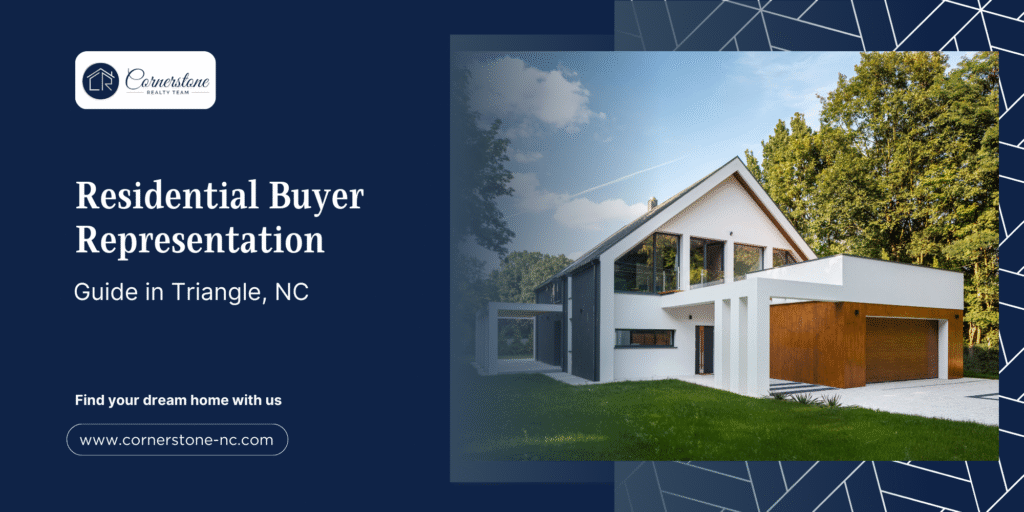
Buying a home is one of the most important financial and personal decisions you will make. In a competitive and fast-growing market like the Triangle region, professional guidance helps you move forward with clarity and confidence. This guide explains how Residential Buyer Representation works and why expert support is essential when purchasing a home in Durham, Raleigh, and Chapel Hill. At Cornerstone Realty Team, buyer representation is designed to protect your interests, simplify the process, and help you make informed real estate decisions. What Is Residential Buyer Representation? Residential Buyer Representation is a professional service where a licensed real estate agent represents the buyer’s interests exclusively throughout the home purchase process. Unlike listing agents who represent sellers, a buyer’s representative works solely to protect your goals, budget, and long-term investment. This service typically includes: Personalized home search planning Local market analysis and pricing guidance Offer strategy and negotiation expertise Inspection and due diligence coordination Step-by-step transaction management Professional representation ensures you understand your options, reduce risk, and move forward with confidence. Why Buyer Representation Matters in the Triangle Market The Triangle region continues to attract new residents due to strong employment opportunities, universities, healthcare institutions, and overall quality of life. Increased demand means buyers must make strategic and well-informed decisions. Professional representation helps you: Understand True Market Value Local expertise provides insight into pricing trends, neighborhood growth, and long-term value potential. Compete Successfully for Homes Strategic negotiation and offer structuring improve your chances in competitive situations. Navigate Contracts With Confidence Real estate transactions include legal obligations, deadlines, and contingencies that require professional oversight. What Buyers Receive With Professional Representation A comprehensive buyer representation experience provides support from consultation through closing day. Strategic Home Search A focused search based on your goals, timeline, and budget. Financing Preparation Guidance connecting you with trusted local lenders and preparing strong pre-approval documentation. Property Evaluation Expert review of home condition, pricing alignment, and investment potential. Negotiation Support Data-driven negotiation helps protect your financial interests and purchase terms. Full Transaction Coordination Every step, from inspections to closing, is managed with clear communication and structured timelines. When you are ready to take the next step, our team can help you Buy Homes Triangle NC with expert local guidance and full buyer representation. Who Benefits Most From Residential Buyer Representation? This service is valuable for a wide range of buyers, including: First-time homebuyers Relocating families Buyers unfamiliar with Triangle neighborhoods Investors seeking local expertise Move-up buyers coordinating a sale and purchase Regardless of experience level, structured guidance improves decision quality and reduces stress throughout the process. The Home Buying Process With Expert Guidance 1. Consultation and Planning Define your goals, timeline, and financial readiness. 2. Market Preparation Secure financing and evaluate neighborhood options. 3. Guided Property Tours Compare homes with professional insight into value and condition. 4. Offer Strategy and Negotiation Submit a competitive offer supported by local market data. 5. Due Diligence and Inspections Evaluate property condition and negotiate repairs if needed. 6. Closing and Transition Finalize documentation and prepare for move-in. Why Local Expertise Matters When Buying in Triangle, NC Real estate decisions are highly local. Neighborhood growth patterns, pricing trends, and community features vary significantly across the Triangle. Working with an experienced local team provides: Insight into emerging neighborhoods Accurate interpretation of market data Access to trusted local professionals Strategic negotiation based on real experience Guidance aligned with long-term goals With hundreds of successful transactions and a strong record of client satisfaction, Cornerstone Realty Team provides experience-based guidance built on years of service in the Triangle community. Start Your Home Buying Journey With Confidence Residential Buyer Representation provides the structure, advocacy, and expertise needed to navigate today’s Triangle real estate market successfully. Whether you are purchasing your first home, relocating, or planning your next move, professional guidance ensures clarity at every step.
Buy a Home in NC: A Complete Guide for Residential and First-Time Home Buyers

Buying a home is one of the biggest financial and emotional decisions you will ever make. If you are planning to buy a home in NC, understanding the process and having the right guidance can make all the difference. Whether you are a first-time buyer or someone looking for professional Residential Buyer Representation, having a trusted real estate partner helps you move forward with confidence. North Carolina continues to attract home buyers because of its strong job market, growing communities, and affordable housing options compared to many other states. From quiet suburbs to vibrant city neighborhoods, NC offers something for every lifestyle. Why Buying a Home in North Carolina Is a Smart Choice North Carolina is known for its balanced real estate market, making it appealing to both new and experienced buyers. Many buyers choose NC because of reasonable home prices, good schools, and a strong sense of community. Cities like Raleigh, Durham, Cary, and Chapel Hill offer excellent opportunities for homeownership. When you buy a home in NC, you also benefit from property tax rates that are generally lower than the national average. This makes homeownership more affordable in the long term. In addition, North Carolina offers a wide variety of housing options, including single-family homes, townhomes, and condos. What Is Residential Buyer Representation? Residential Buyer Representation means having a real estate professional who works solely in your best interest throughout the buying process. Unlike working directly with a listing agent, buyer representation ensures that your goals, budget, and needs come first. A buyer’s agent helps you: Understand current market conditions Find homes that match your needs Schedule showings and compare properties Negotiate price, repairs, and contract terms Guide you through inspections, financing, and closing When buying a home in NC, residential buyer representation protects you from costly mistakes and gives you peace of mind. Your agent explains every step clearly, so you never feel pressured or confused. First-Time Home Buyers: Buyer Guidance That Makes a Difference For First-Time Home Buyers, the process can feel overwhelming. From mortgage terms to inspections and paperwork, there is a lot to learn. This is where buyer guidance becomes essential. A good buyer guide starts by helping you understand what you can afford. This includes reviewing your budget, loan options, and monthly expenses. First-time buyers often qualify for special loan programs, grants, or assistance options that can reduce upfront costs. Buyer guidance also helps first-time buyers: Understand the difference between pre-qualification and pre-approval Learn how to make a strong offer Avoid common mistakes during inspections Prepare for closing costs and timelines With the right support, first-time buyers can feel confident instead of stressed. Step-by-Step Process to Buy a Home in NC Buying a home does not need to be complicated. Here is a simple overview of the process: Get Pre-Approved Start by speaking with a lender to understand your budget. Pre-approval shows sellers that you are a serious buyer. Choose Residential Buyer Representation Having a dedicated buyer’s agent ensures your interests are protected from day one. Search for the Right Home Your agent will help you find homes that match your lifestyle, location preferences, and budget. Make an Offer Your buyer’s agent will help you submit a competitive offer while protecting your financial interests. Inspections and Due Diligence This step helps identify any issues before finalizing the purchase. Closing Once everything is approved, you sign the final documents and receive the keys to your new home. How Buyer Representation Helps You Save Money Many buyers assume buyer representation adds extra cost, but in most cases, it does not. In NC, buyer agents are typically compensated through the transaction, not directly by the buyer. More importantly, professional buyer representation can help you save money by: Negotiating better purchase prices Requesting repairs or credits Avoiding homes with hidden issues Helping you make informed decisions This guidance often results in better long-term value. Tips for First-Time Buyers in North Carolina If you are buying your first home in NC, keep these tips in mind: Do not rush the process Focus on long-term needs, not just short-term trends Ask questions at every step Work with professionals who explain things clearly First-time home buyers benefit the most from clear communication and honest advice. Final Thoughts: Buy a Home in NC with Confidence Whether you are a first-time buyer or looking for experienced Residential Buyer Representation, buying a home in NC should feel clear and empowering. The right guidance helps you make confident decisions and enjoy the journey, not just the outcome. With proper buyer guidance, expert representation, and a clear plan, you can find the right home and move forward with confidence. North Carolina offers excellent opportunities for homeownership, and with the right support, your home-buying experience can be smooth, informed, and rewarding.