
The Biggest Pricing Mistake Triangle Sellers Are Making Right Now

The first question most sellers ask isn’t: “How should we market the home?” It’s: “What do you think it’s worth?” That’s understandable. Your asking price impacts everything that follows. But after helping hundreds of sellers across Durham, Chapel Hill, and the Triangle, we’ve found that the biggest pricing mistake isn’t necessarily pricing too high. It’s pricing based on the wrong information. Looking in the Rearview Mirror Many sellers naturally focus on what their neighbor’s home sold for six months ago. The problem? The market isn’t frozen in time. Buyers make decisions based on today’s inventory, today’s interest rates, and today’s competition—not what happened last season. A comparable sale is an important reference point, but it shouldn’t be the only factor guiding pricing strategy. The question isn’t: “What did my neighbor get?” The better question is: “How will buyers compare my home to the options available right now?” The Danger of “Testing the Market” One of the most common conversations we hear goes something like this: “Let’s start high. We can always come down later.” It sounds logical. Unfortunately, the market often doesn’t work that way. When a home first hits the market, it receives the greatest exposure it will ever receive: New listing alerts Buyer searches Agent notifications Fresh listing momentum If buyers perceive the home as overpriced during that critical window, many simply move on. And once a property begins accumulating days on market, buyers start asking questions. What’s wrong with it? Why hasn’t it sold? Is the seller unrealistic? Those questions can create a challenge that becomes difficult to overcome later. Buyers Are More Informed Than Ever Today’s buyers have access to: Sales history Price reductions Days on market Neighborhood comparisons They may not understand every nuance of valuation, but they know when something feels out of line with the rest of the market. That means pricing strategy isn’t just about maximizing value. It’s about positioning your home in a way that encourages buyers to engage. If they never schedule a showing, the price doesn’t matter. The Goal Isn’t the Highest Price This is where many sellers get tripped up. The goal isn’t to list at the highest possible price. The goal is to sell at the highest possible price. Those are two very different things. Sometimes strategic pricing creates: More showings More competition Stronger offers Better negotiating leverage The result can be a better outcome than starting high and chasing the market down through price reductions. Preparation and Pricing Work Together Pricing doesn’t exist in a vacuum. A home that is: Properly prepared Professionally photographed Well marketed Strategically priced Will often outperform a comparable home that misses on one or more of those factors. The strongest results typically come from treating pricing as part of a larger strategy rather than a standalone decision. Get Your Home Market-Ready Before You List The homes that generate the strongest first impressions are usually the ones that are properly prepared before they ever hit the market. Our guide, 21 Steps to Get Your Home Show Ready, provides a simple roadmap to help you focus on what matters most. Download the Checklist What Sellers Should Focus on Instead Rather than asking: “What’s the highest price we can get away with?” Consider asking: How will buyers compare this home to competing options? What inventory are we competing against today? What strategy gives us the strongest chance to create demand? Those questions typically lead to better outcomes. A successful sale is rarely the result of one decision. It’s usually the combination of thoughtful preparation, effective marketing, and a pricing strategy that aligns with how buyers are making decisions today. Stay Ahead of the Triangle Market Market conditions change. Buyer behavior changes. Inventory changes. The 919 Report breaks down what’s happening across the Triangle and what it means for homeowners thinking about making a move. Button Text: Get the 919 Report Final Thoughts Pricing is one of the most important decisions you’ll make when selling a home. But successful pricing isn’t about aiming as high as possible. It’s about understanding today’s market, today’s buyers, and today’s competition. When pricing is aligned with preparation, presentation, and market conditions, sellers put themselves in the best position to generate interest, attract strong offers, and achieve the best possible outcome.
Should You Wait for Interest Rates to Drop Before Buying a Home?

For the past few years, one question has dominated conversations with homebuyers: “Should we wait for interest rates to come down?” It’s a fair question. After all, mortgage rates have a direct impact on affordability, monthly payments, and overall purchasing power. But while many buyers are focused on where rates might go next, they often overlook a more important question: “What happens if I’m wrong?” The reality is that waiting can be a smart move in some situations. In others, it can end up costing buyers far more than they anticipated. The key is understanding both sides of the equation before making a decision. The Case for Waiting Let’s start with the obvious. Lower interest rates generally mean lower monthly payments. If rates decline significantly, buyers may: Qualify for a larger loan Have lower monthly housing costs Improve overall affordability For buyers who aren’t financially ready today, waiting can absolutely make sense. If you’re still building savings, improving credit, or planning a relocation, there’s nothing wrong with taking time to strengthen your position. The mistake isn’t waiting. The mistake is assuming lower rates automatically create a better buying opportunity. What Happens When Rates Fall? Most buyers focus on the monthly payment. Few focus on competition. When mortgage rates decline, affordability improves for everyone—not just you. That often brings additional buyers back into the market. More buyers can mean: More competition More multiple-offer situations Fewer concessions Faster-moving inventory In other words, lower rates can create a more competitive environment. The home you can negotiate on today may become much more difficult to purchase tomorrow. Home Prices Don’t Always Wait Another assumption many buyers make is that lower rates will coincide with lower home prices. Historically, that isn’t always the case. In markets with strong demand, lower borrowing costs can support higher home prices. Think about it this way: If thousands of buyers suddenly gain additional purchasing power, that increased demand has to go somewhere. Often, it flows directly into home values. That’s why waiting for lower rates doesn’t necessarily mean you’ll spend less money overall. The Refinance Option Many Buyers Forget One factor that often gets overlooked is refinancing. While nobody can predict future rates, buyers who purchase today may have the opportunity to refinance if rates decline later. That doesn’t eliminate the impact of today’s rates. But it changes the conversation. Instead of asking: “What if rates go down?” Some buyers benefit from asking: “If rates go down later, would I still be happy owning this home?” For many households, the answer is yes. Your Timeline Matters More Than Interest Rates One of the biggest mistakes buyers make is treating interest rates as the only factor in the decision. In reality, your timeline often matters more. Questions worth considering include: How long do you plan to stay in the home? Are you relocating for work? Is your current housing situation meeting your needs? Are you financially prepared to Buy Today? Someone planning to stay in a home for ten years may reach a very different conclusion than someone planning to move again in two years. The right answer depends on your circumstances—not headlines. Buy With Confidence, Not Guesswork Trying to predict the perfect time to buy is nearly impossible. What you can do is make a well-informed decision based on your goals, finances, and local market conditions. The Triangle Buyer Playbook was created to help buyers think through these decisions with greater clarity. Inside, you’ll learn how to avoid common mistakes, evaluate opportunities, and approach the buying process with confidence. Download the Buyer Playbook The Market Doesn’t Reward Perfect Timing It’s natural to want certainty before making a major purchase. Unfortunately, real estate rarely offers certainty. The buyers who tend to have the best experiences aren’t the ones who perfectly predict interest rates. They’re the ones who understand their goals, recognize opportunities, and make informed decisions when the timing is right for them. Stay Ahead of the Triangle Market The housing market is constantly evolving. The 919 Report provides monthly insights on local trends, new developments, and market shifts affecting buyers and homeowners across the Triangle. Get the 919 Report Final Thoughts Waiting for interest rates to drop isn’t necessarily a bad strategy. But it isn’t automatically a good one either. The best decision depends on your financial readiness, long-term plans, and local market conditions. Rather than trying to predict the future, focus on understanding your options today. When you make decisions based on facts instead of forecasts, you’re far more likely to feel confident about the outcome.
Do You Need a Real Estate Agent to Sell a Home in Triangle NC?

Selling a house involves much more than putting a sign in the yard and waiting for offers. Homeowners must determine the right price, prepare the property, market it effectively, negotiate with buyers, manage paperwork, and coordinate the closing process. Because so many moving parts affect the outcome, many sellers wonder whether they need professional representation. The answer depends on your experience, available time, and comfort level with real estate transactions. While some homeowners choose to handle everything themselves, many find that working with an agent helps them avoid costly mistakes and achieve better results. If you plan to sell home in Triangle NC, it is important to evaluate the benefits and challenges before making a decision. The Current Real Estate Market in Triangle NC The Triangle region continues to attract new residents due to its strong economy, respected universities, healthcare facilities, and growing business community. Areas such as Raleigh, Durham, Chapel Hill, Cary, Apex, and Morrisville remain popular among buyers seeking quality neighborhoods and long-term value. Because demand remains strong in many parts of the region, sellers often assume that homes will sell quickly regardless of how they are marketed. While market demand certainly helps, pricing strategy, presentation, and negotiation skills still play a major role in determining final results. Even in active markets, sellers who make poor decisions can leave money on the table or experience unnecessary delays. What Does a Real Estate Agent Actually Do? Many homeowners think an agent’s role begins and ends with listing a property online. In reality, agents perform a wide range of services that help sellers manage every stage of the transaction. A real estate professional may assist with: Property valuation Market analysis Marketing strategy Professional photography Listing creation Buyer communication Offer review Negotiations Contract management Inspection coordination Closing preparation These responsibilities require knowledge, experience, and attention to detail. Can You Sell Without an Agent? Yes, homeowners can sell a property without professional representation. This process is commonly known as For Sale By Owner (FSBO). Some people choose this option because they hope to save money on commissions. Others believe they can manage the transaction independently. Although FSBO sales can work in certain situations, they often require significant time and effort. Sellers must learn pricing methods, marketing techniques, legal requirements, and negotiation strategies. Without experience, mistakes can become expensive. Pricing a Home Correctly One of the most important parts of any sale involves setting the right asking price. Why Pricing Matters If a home is priced too high, buyers may ignore it. If it is priced too low, the seller may lose potential profit. Finding the right balance requires accurate market data and local knowledge. Professional agents evaluate: Recent sales Active listings Pending transactions Neighborhood trends Property condition Market demand This information helps establish a realistic and competitive price. The Cost of Overpricing Many sellers believe they can start high and reduce the price later if necessary. Unfortunately, properties that sit on the market for too long often lose momentum. Buyers may assume something is wrong with the property and become less willing to make strong offers. Marketing a Property Effectively Marketing is one of the biggest differences between selling independently and working with an experienced agent. Today’s buyers conduct much of their home search online. First impressions often happen through photos, virtual tours, and listing descriptions. Professional marketing may include: High-Quality Photography Professional images help properties stand out and attract more attention. Online Exposure Listings can appear across multiple platforms where buyers search for homes. Social Media Promotion Targeted campaigns can increase visibility among local and relocating buyers. Property Descriptions Well-written descriptions highlight features that matter most to potential buyers. Many people searching for homes for sale Triangle NC compare numerous listings before scheduling a showing. Strong marketing can help your property gain attention early. Negotiating with Buyers Negotiation involves much more than agreeing on a sale price. Buyers may request: Repairs Closing cost assistance Flexible closing dates Additional inspections Contract amendments Every request requires careful evaluation. Experienced agents help sellers assess these requests objectively and respond strategically. Their knowledge can often protect a seller’s financial interests throughout the process. Without professional guidance, homeowners may accept unfavorable terms or lose a qualified buyer because negotiations break down. Managing Showings and Buyer Inquiries Selling a home requires consistent communication. Potential buyers often ask questions about: Property condition Renovations Utility costs Neighborhood information Homeowners associations School districts Sellers must also coordinate showings and maintain flexibility when buyers request access. For busy homeowners, managing these responsibilities can become challenging. Handling Contracts and Paperwork Real estate transactions involve extensive documentation. Common forms include: Purchase agreements Property disclosures Inspection reports Addendums Closing documents Errors in paperwork can create delays or legal issues. Professional agents help ensure deadlines are met and documents are completed correctly. This support becomes especially valuable when multiple offers arrive or negotiations become complicated. The Importance of Local Market Knowledge Every neighborhood has unique characteristics. Property values can vary significantly between communities even when homes appear similar. School districts, amenities, commute times, and development plans all influence market activity. Agents who work within the Triangle region understand these local factors and can provide valuable guidance throughout the selling process. Their knowledge helps sellers make informed decisions rather than relying on assumptions. How Buyer Representation Affects the Sale Many buyers work with agents who provide residential buyer representation. These professionals advocate for buyers during negotiations and help them secure favorable terms. When a seller enters negotiations without professional assistance, they may face experienced representatives who handle real estate transactions regularly. Having expert support can help create a more balanced transaction and reduce unnecessary risks. Is Hiring an Agent Worth the Cost? Commission expenses often influence a seller’s decision. However, focusing solely on commission may overlook the value that professional representation provides. A skilled agent may help sellers: Price accurately Market effectively Attract qualified buyers Negotiate stronger offers Avoid costly mistakes Manage complex paperwork Reduce stress For many homeowners, these benefits outweigh the cost of
Step-by-Step Home Selling Guide for Homeowners
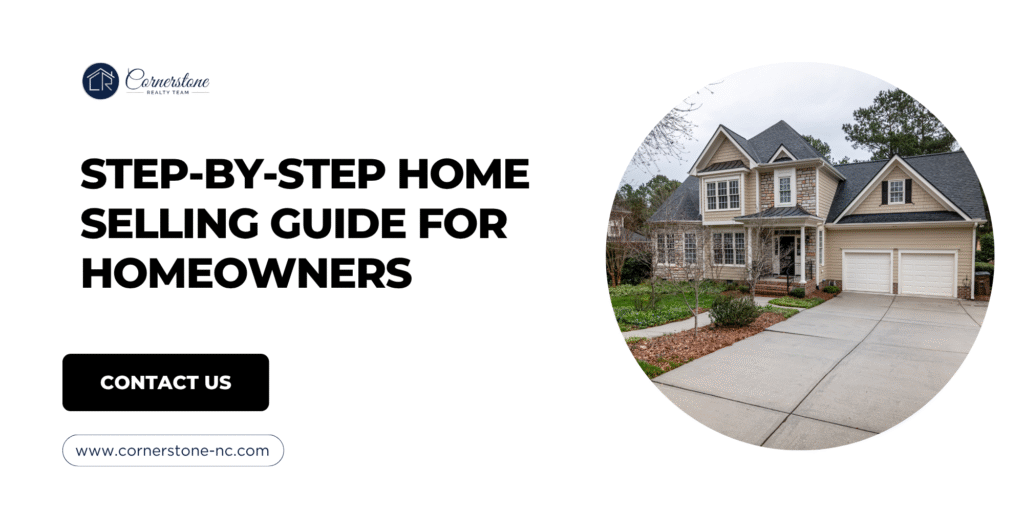
Selling a home is one of the biggest financial decisions many people make. A successful sale requires preparation, smart pricing, proper marketing, and strong negotiation skills. Many homeowners rush into the process without a plan and face unnecessary delays or lower offers. Homeowners who need home buying guidance and support often achieve better results when they prepare early and follow a structured selling strategy. A well-prepared home attracts serious buyers faster and creates better opportunities during negotiations. Whether you are moving to another city, upgrading to a larger property, or downsizing, following the right steps can help you achieve a smooth and profitable sale. This article explains every important stage of selling a home while helping you avoid common mistakes that often slow down the process. Start With a Clear Selling Plan Before listing your property, take time to create a clear plan. Decide your timeline, financial goals, and expectations. Some homeowners need to sell quickly because of relocation or personal reasons. Others may have more flexibility and want to wait for the best possible offer. Knowing your priorities helps you make better decisions during the process. You should also calculate your estimated costs before selling. These may include repairs, agent commissions, moving expenses, and closing fees. Planning ahead prevents financial surprises later. Prepare Your Home for the Market Buyers notice both small details and major issues when visiting a property. Preparing your home properly increases its appeal and can lead to faster offers. Deep Clean Every Area A spotless home creates a strong first impression. Clean floors, windows, countertops, appliances, and bathrooms thoroughly. Remove dust from corners, ceiling fans, and shelves. Kitchens and bathrooms deserve extra attention because buyers often inspect these spaces carefully. A fresh and clean environment makes the property feel more valuable. Remove Clutter Too much furniture or personal belongings can make rooms appear smaller. Clear unnecessary items from countertops, tables, closets, and storage areas. Organized spaces help buyers focus on the home’s features instead of distractions. Depersonalize the Space Family photos, personal collections, and bold decorations may prevent buyers from imagining themselves in the home. Use neutral colors and simple décor to create a welcoming atmosphere. Complete Minor Repairs Small problems can leave a negative impression. Fix leaking faucets, broken handles, squeaky doors, cracked tiles, and chipped paint before listing the property. Even simple repairs show buyers that the home has been maintained properly. Improve the Exterior Appearance The outside of your home creates the first impression before buyers even enter the property. Maintain the Lawn and Landscaping Trim bushes, mow the grass, remove weeds, and plant fresh flowers if needed. A neat yard makes the property look more attractive and inviting. Upgrade the Entryway Paint the front door if it looks faded. Replace old house numbers, broken lights, or worn doormats. These small updates can improve the overall appearance significantly. Clean the Driveway and Walkways Pressure wash dirty surfaces and remove stains whenever possible. Clean exterior areas help buyers feel more confident about the property. Price the Home Correctly Setting the right price is one of the most important steps in the selling process. Overpriced homes often stay on the market too long, while underpriced homes may lead to financial loss. Buyers compare listings carefully, so accurate pricing matters. Study Comparable Sales Look at recently sold homes in your neighborhood with similar size, condition, and features. These comparisons help estimate a fair market value. Understand Current Market Conditions Housing markets change frequently. In some markets, buyers compete aggressively, while in others, sellers must price more carefully to attract attention. Working with a local expert can help you understand current pricing trends and buyer behavior. Hire an Experienced Real Estate Agent A professional real estate agent provides valuable support during the selling process. From marketing to negotiations, the right agent can improve your results. Ask About Local Experience Choose an agent who understands your local market and has experience selling similar homes. Local knowledge helps with pricing, marketing, and buyer communication. Review Their Marketing Strategy An effective marketing plan should include professional photography, online advertising, open houses, and social media promotion. A strong online presence increases visibility and helps attract more potential buyers. Discuss Communication Expectations Clear communication is important during a home sale. Work with an agent who responds quickly and keeps you informed throughout the process. Stage the Home to Attract Buyers Staging helps buyers visualize how the home can look when fully furnished and organized. Arrange Furniture Carefully Create open pathways and remove oversized furniture that makes rooms feel crowded. Proper furniture placement can make spaces appear larger and more functional. Add Simple Decorative Details Fresh flowers, soft lighting, clean bedding, and neutral accessories create a warm environment without overwhelming the space. Highlight Key Features If your home has large windows, hardwood floors, or a fireplace, make sure these features remain visible during showings. Use High-Quality Listing Photos Most buyers begin their search online, so listing photos play a major role in attracting attention. Professional photographers understand lighting, angles, and image quality better than standard phone photography. Sharp and bright images can increase interest quickly. Poor-quality photos may cause buyers to skip your listing completely. Create an Effective Property Listing A strong listing description helps buyers understand the value of your property. Focus on Important Features Mention upgrades, storage space, outdoor areas, modern kitchens, or convenient locations. Use clear and natural language instead of exaggerated claims. Keep Information Honest Accurate descriptions help avoid misunderstandings later. Buyers appreciate transparency during the process. If you need home selling guidance, experienced professionals can help you manage pricing, marketing, negotiations, and closing steps more effectively. Promote Your Property Online Online marketing reaches a large number of buyers quickly. Share Across Multiple Platforms Real estate websites, social media platforms, and email marketing can help increase visibility. Use Virtual Tours When Possible Virtual tours allow buyers to view the property remotely before scheduling in-person visits. This feature saves time for both sellers and buyers. Prepare for Home
Best Strategies Used by Modern Home Selling Services in NC

Selling a home in North Carolina has changed a lot in recent years. Homeowners no longer depend only on yard signs and newspaper ads. As the market environment is changing rapidly, today’s sellers demand innovative solutions that will allow them to spend less time on negotiations and receive lucrative offers for their property. In today’s reality, home selling firms use innovative marketing techniques, up-to-date local pricing information, technology, and seller-oriented customer service to facilitate sales. Affordable real estate services in North Carolina are constantly developing and flourishing in its key locations, including Raleigh, Durham, and Chapel Hill. Modern buyers start their research online, browse numerous listings, and make their choices at unprecedented speed. Thus, contemporary home selling services need to develop modern approaches to ensure success. Below are the most effective strategies used by today’s home selling professionals in NC. Smart Pricing Based on Market Data One of the strongest strategies involves accurate home pricing. A home priced too high may stay on the market for months. A home priced too low can lead to lost profit. Current methods of real estate include the use of current data on the market, recent transactions, demand from buyers, and neighborhood trends to come up with the best starting price. Agents also consider the competition and current stock in the area when coming up with a price point. This helps in attracting serious buyers who will make more than one offer. In areas that are experiencing growth, like in Triangle NC, the importance of proper pricing becomes very crucial in achieving quick results. Professional Photography and Video Marketing Online listings now serve as the first showing for most buyers. Poor-quality photos can drive people away immediately. In current house selling services, there is more investment made in professional photos, drone shots, and video tours to enhance listing attractiveness. Video walkthroughs enable potential buyers to tour homes regardless of their locations. The approach proves particularly effective when dealing with people moving to North Carolina from other states for employment purposes or family reunions. Moreover, drone shots emphasize the amenities such as parks and schools available in the immediate vicinity of the property being sold. Strong Digital Marketing Campaigns Modern sellers need more than a basic listing on a real estate website. Today’s home selling companies create targeted digital marketing campaigns that place homes in front of the right audience. These campaigns often include: Social media advertising Google search marketing Email campaigns Retargeting ads Mobile-friendly listings By reaching buyers through multiple channels, sellers gain more visibility and attract stronger interest. Digital marketing also helps listings receive more clicks, more inquiries, and more showings. Many Triangle NC home selling services now rely on advanced online promotion to help homes sell faster in competitive neighborhoods. Home Staging That Appeals to Buyers Home staging remains one of the most valuable selling strategies in NC. Buyers want to picture themselves living in the space. Professional staging creates a clean, welcoming, and stylish appearance that appeals to modern buyers. Staging may include: Furniture Placement Experts arrange furniture to improve room flow and make spaces appear larger. Neutral Decor Simple colors and modern designs help buyers focus on the home instead of personal items. Lighting Improvements Bright rooms feel more inviting and photograph better for online listings. Even small updates can make a major difference in buyer perception and final sale price. Virtual Tours and Remote Showings Technology now allows buyers to view homes without visiting in person. Virtual tours became popular during recent years and continue to play a major role in home sales across NC. These tours allow buyers to: Walk through rooms online Measure spaces virtually Review layouts from mobile devices Save time before booking in-person visits Remote showings help sellers reach more potential buyers, including relocating families and investors from other states. Fast Communication With Buyers Speed matters in real estate. Buyers often move on quickly if they do not receive fast answers. Modern home selling services focus on rapid communication through text messages, email updates, and digital scheduling tools. This strategy keeps deals moving forward and improves the overall customer experience. Quick communication also helps sellers by: Reducing delays Managing offers faster Handling negotiations efficiently Coordinating inspections smoothly A responsive team can make the difference between losing and closing a deal. Local Market Expertise North Carolina has many unique housing markets. What works in Charlotte may not work in Raleigh or Cary. Modern home selling professionals study local trends closely and adjust their strategies based on neighborhood conditions. Local expertise helps sellers with: Pricing decisions Buyer behavior School district demand Seasonal trends Community growth patterns This local knowledge becomes especially valuable in competitive regions where buyers actively search for homes for sale Triangle NC. Pre-Listing Home Improvements Small repairs and cosmetic updates often increase a home’s value before listing. Modern agents guide sellers on affordable upgrades that create strong returns. Popular improvements include: Fresh Paint Neutral wall colors make homes look cleaner and newer. Landscaping Curb appeal creates strong first impressions. Kitchen Updates Simple hardware changes and lighting upgrades improve appearance without major renovation costs. Bathroom Touch-Ups Modern fixtures and clean finishes help buyers feel confident about the property. These improvements help listings appear move-in ready, which attracts more buyers. Flexible Selling Options Today’s sellers want flexibility. Modern home selling services now provide several options based on individual needs. These may include: Traditional listings Cash offers Quick closing programs Investor partnerships Buy-before-you-sell solutions This flexibility helps homeowners facing relocation, divorce, financial changes, or time-sensitive situations. Some sellers prefer maximum profit through full market exposure, while others value speed and convenience. Modern services adapt to both goals. Social Proof and Online Reviews Buyers and sellers usually conduct preliminary research about companies on the internet prior to making any decision. Positive testimonials will establish trust at once. Effective real estate service providers are good at maintaining an online reputation and persuading happy customers to give them positive feedback. Positive testimonials will make it easier for sellers to
Why Some Homes Sell in Days While Others Sit (Triangle Market Breakdown)
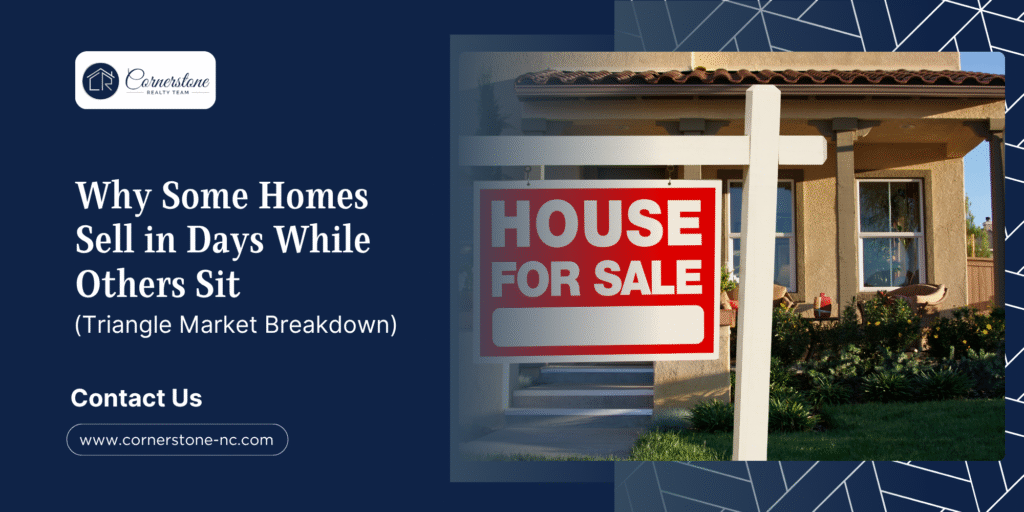
In the same neighborhood, one home sells in three days… while another sits for three weeks or longer. Same price range. Similar size. Same general location. It’s easy to assume that’s just the market being unpredictable. It’s not. In most cases, the difference comes down to a few key decisions made before the home ever hits the market. Pricing Strategy Sets the Tone Price is the single biggest factor in how a home performs—and it’s also where most sellers get it wrong. There’s a common instinct to “leave room to negotiate” or “test the market.” In reality, that approach often backfires. Buyers today are highly informed. They’re watching the market closely, and when a home is priced above what they perceive as fair value, they don’t engage. They wait. And once a home sits for even a couple of weeks, it starts to raise questions: What’s wrong with it? Why hasn’t it sold? Is the seller going to have to reduce the price? That early hesitation is hard to recover from. On the other hand, homes that are priced strategically—based on current demand, not just comparable sales—tend to generate more interest right out of the gate. The First 7 Days Matter More Than You Think The initial launch period is where most of the momentum happens. When a home first hits the market, it gets the highest level of exposure: New listing alerts Increased online visibility More showing activity If the pricing and presentation are aligned, this is when you’ll see: Strong showing traffic Multiple offers Faster decisions If not, the opposite happens. Showings slow down. Interest fades. And the home becomes something buyers assume they can revisit later—often at a lower price. Presentation Is Often Underrated Buyers aren’t just comparing your home to others in your neighborhood. They’re comparing it to every other home they’ve seen online. That means presentation matters more than ever: Professional photography Clean, well-prepared spaces Thoughtful staging or layout Small repairs and updates handled upfront Homes that show well tend to feel more valuable. That perception directly impacts both interest level and offers. Homes that feel unfinished or poorly presented tend to sit—even if the underlying property is solid. If you want a clear, step-by-step plan for getting your home ready before it hits the market, we’ve put together a guide called “21 Steps to Get Your Home Show Ready.” It walks through exactly what to focus on so you can avoid over-improving or missing details that matter to buyers. Not All Demand Is Equal One of the more subtle factors is location within the market. Even within Durham, Chapel Hill, and the surrounding areas, demand isn’t evenly distributed. Some neighborhoods consistently attract strong interest due to: Proximity to major employers like Research Triangle Park Established reputation and community feel Access to amenities, schools, and commuting routes Others may take longer to move, even with similar pricing and features. Understanding where your home fits within that landscape plays a big role in how it should be positioned. Condition and Timing Still Matter Two homes with similar layouts and square footage can perform very differently based on condition alone. Buyers tend to favor homes that feel: Move-in ready Well-maintained Updated where it counts Even small details—paint, flooring, lighting—can influence how quickly a home sells. Most sellers benefit from following a structured checklist before listing to make sure nothing important gets overlooked. That’s exactly what the “21 Steps to Get Your Home Show Ready” guide is designed to help with—giving you a clear path instead of guessing what to tackle first. Timing also plays a role. Market conditions shift throughout the year, and broader factors like interest rates and buyer activity levels can impact urgency. But even in slower periods, well-prepared and well-positioned homes continue to sell. What This Means for Sellers (and Buyers) For sellers, the takeaway is simple: Homes that sell quickly aren’t just “lucky.” They’re positioned correctly from the start—priced strategically, presented well, and aligned with current demand. For buyers, understanding these patterns creates opportunity. Homes that have been on the market longer may offer more room for negotiation—but only if you understand why they’ve been sitting in the first place. Final Thoughts The difference between a home that sells quickly and one that lingers on the market usually isn’t dramatic. It’s the accumulation of small decisions made early in the process. When those decisions are aligned, the result is strong interest and a faster sale. When they’re not, the market tends to respond just as clearly. If you’re preparing to sell and want a clear roadmap to get your home market-ready, the “21 Steps to Get Your Home Show Ready” guide is a simple place to start. It’s designed to help you focus on what actually makes a difference before your home hits the market.
Moving to Durham, NC: What People Don’t Expect (From a Local Perspective)

Most people moving to Durham think they understand it before they get here. They’ve read a few articles, maybe visited once, and have a general sense of the area. Then they start looking at homes… and realize pretty quickly that Durham doesn’t behave the way they expected. If you’re considering a move here, this will give you a clearer picture of what actually matters once you’re on the ground. It’s Not One Market—It’s Several Micro-Markets One of the biggest surprises for buyers is how different Durham can feel depending on where you are. Within a short drive, you can go from: Established neighborhoods near Duke University To newer suburban communities on the outskirts To areas that are actively redeveloping and changing quickly And those differences aren’t just cosmetic. They affect: Pricing Competition Inventory Long-term value Two homes with similar specs can behave very differently depending on location. That’s why looking at Durham as one uniform market tends to lead buyers in the wrong direction early on. The Pace Feels Slower… Until It Doesn’t Compared to larger metro areas, Durham feels more relaxed. There’s less of the constant urgency you’ll find in bigger cities. People are drawn to that. But here’s the part that catches buyers off guard: Certain price points and neighborhoods still move quickly. Well-priced homes in desirable areas can still generate strong interest in the first week. So while the overall pace feels calmer, you can’t assume every opportunity will wait around. The key is understanding where the urgency actually exists instead of applying a blanket expectation to the entire market. Inventory Isn’t Always What Buyers Expect A common assumption is that Durham offers more space and better value across the board. Sometimes that’s true. Sometimes it’s not. Buyers relocating from other areas are often surprised by: How competitive certain price ranges can be How quickly desirable homes come off the market How limited options can feel in specific neighborhoods It’s not about there being “no inventory.” It’s about inventory being unevenly distributed across price points and locations. That’s an important distinction, and it affects how you approach your search from day one. Location Matters More Than Price Most buyers start their search focused on price and features. But in Durham, location tends to have a bigger impact on your overall experience than people expect. Things like: Proximity to Research Triangle Park Access to major roads and commuting routes The feel of the surrounding area Walkability and nearby amenities These factors shape your day-to-day life just as much as the home itself. Two homes at the same price point can offer completely different lifestyles depending on where they’re located. What Relocating Buyers Usually Get Wrong This is where most of the frustration comes from—and it usually happens early. A few patterns show up consistently: Waiting too long to get clarity Buyers spend time browsing without really understanding how to evaluate what they’re seeing. Relying too heavily on photos Online listings only tell part of the story. Neighborhood feel and layout matter more in person. Trying to time the market perfectly Instead of focusing on readiness and strategy, buyers get stuck waiting for the “perfect” moment. Most of these mistakes don’t feel like mistakes at the time. They just feel like part of the process… until they cost you time, money, or missed opportunities. If you want a clearer framework for how to approach this, we break down the most common (and expensive) early missteps, along with how to avoid them, in the Triangle Buyer Playbook: How to Avoid Costly Mistakes and Buy with Confidence. Final Thoughts Durham is a great place to land. It offers a mix of character, growth, and lifestyle that’s hard to replicate. But the buyers who feel confident here aren’t the ones who rely on surface-level information. They’re the ones who understand how the market actually works—and adjust their approach before they ever start making offers. If you want to stay on top of what’s happening locally, we also share regular insights on the Durham market, new developments, and buyer strategy in our monthly newsletter, The 919 Report.
Durham vs Chapel Hill: Which One Is Actually Right for You?
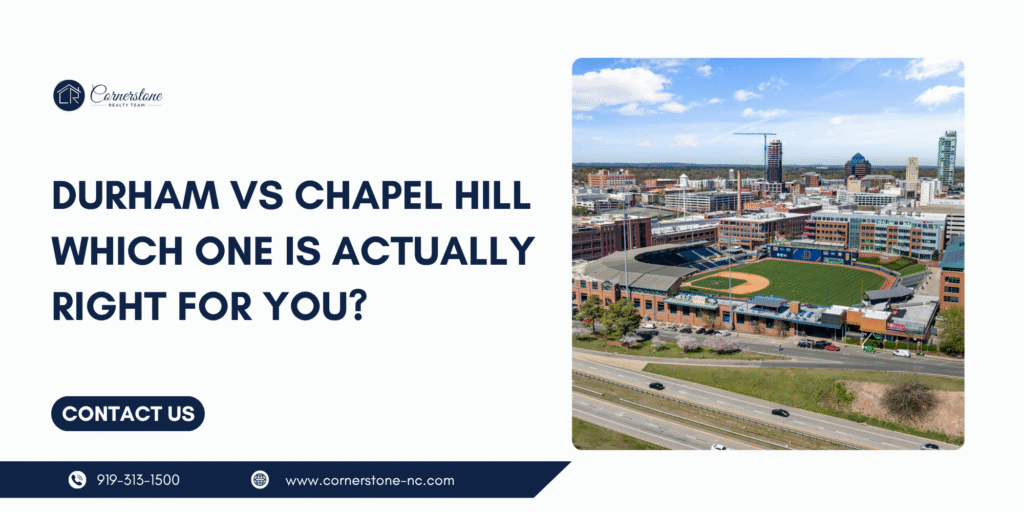
On paper, Durham and Chapel Hill look pretty similar. They’re close geographically, both tied to major universities, and both sit right in the heart of the Triangle. But once you start spending time in each… they feel completely different. And that difference matters more than most buyers expect. The Overall Vibe (Where Most Decisions Actually Get Made) Durham has a more urban, evolving feel. It’s a mix of historic neighborhoods, redevelopment, and a growing food and culture scene. There’s more variety, more contrast, and in some areas, more change happening in real time. Chapel Hill, on the other hand, feels more polished and established. It’s heavily influenced by the University of North Carolina at Chapel Hill, with a strong sense of consistency in both layout and lifestyle. Neither is better. But they’re not interchangeable. Price vs Value (What You Actually Get for Your Money) In general: Durham tends to offer more variety across price points Chapel Hill often carries a premium tied to location, schools, and demand But here’s where people get tripped up: Value isn’t just about square footage or price per foot. It’s about: Location within each area Proximity to work and daily routines Long-term livability Two buyers with the same budget could have very different experiences depending on which market they choose. Lifestyle Fit (This Should Drive the Decision) Durham tends to attract: Buyers looking for variety and flexibility People who like a mix of urban and suburban options Those comfortable with areas that are still evolving Chapel Hill tends to appeal to: Buyers looking for a more traditional, established feel Those who prioritize consistency and predictability People who want to be close to UNC and its surrounding community If someone chooses purely based on price or specs, they usually second-guess it later. Commute + Accessibility Key considerations: Proximity to Research Triangle Park Access to Durham vs Chapel Hill job centers Traffic patterns (which aren’t always intuitive until you live here) A 10–15 minute difference in commute doesn’t sound like much. Until you’re doing it every day. Which One Is Actually Right for You? If you’re someone who: Values variety Wants more flexibility in housing options Is comfortable with areas that are still changing Durham is usually the better fit. If you: Prefer a more consistent, established environment Want to be closely tied to the UNC community Value predictability in your surroundings Chapel Hill tends to make more sense. Most buyers know which direction they’re leaning once they see it laid out this way. They just need someone to say it clearly. A Smarter Way to Approach the Decision Where buyers get stuck isn’t usually a lack of options. It’s not having a clear framework for how to evaluate those options. Most of the costly mistakes happen early—before buyers have really defined what matters most or how to weigh trade-offs between areas like Durham and Chapel Hill. If you want a more structured way to think through that, we break it down step-by-step in the Triangle Buyer Playbook: How to Avoid Costly Mistakes and Buy with Confidence. It’s designed to help you make decisions with clarity instead of second-guessing everything mid-search. Final Thoughts Durham and Chapel Hill are both strong choices. But the right decision comes down to how you want your day-to-day life to feel, not just what looks good on paper. If you can get clear on that early, everything else becomes a lot easier. And if you want ongoing insight into how these areas are evolving—from new developments to market trends—we share that each month in The 919 Report.
Best Neighborhoods in Durham Based on Lifestyle, Space, and Location (2026 Guide)

Choosing the right home is one thing. Choosing the right neighborhood is what actually shapes your day-to-day life. And for families moving to Durham, this is usually where the process gets harder than expected. Most people start by looking at price, square footage, and photos. But after a few showings, the real question becomes: “Does this area actually fit how we live?” Durham offers a wide range of options—but that variety is exactly what makes the decision tricky. Best for Walkability and Community Feel For families who want to be able to get out of the house and actually do things without driving everywhere, certain areas stand out. Neighborhoods near Downtown Durham and places like Hope Valley offer a stronger sense of connection to local spots, parks, and community activity. These areas tend to attract: Families who value convenience Buyers who want access to restaurants, events, and local amenities People who prefer a more active, connected lifestyle The tradeoff? You’re often giving up a bit of space or paying a premium for location. Best for Space, Privacy, and Value If your priority is more room to spread out—both inside and outside the home—there are plenty of areas in Durham that offer that. Neighborhoods further from the urban core tend to provide: Larger lots Quieter streets More square footage for the price These areas are ideal for: Families who want a backyard that actually gets used Buyers who prioritize space over proximity Those looking for long-term flexibility as their needs change The tradeoff here is usually commute time and less immediate access to central amenities. Best for Commuting to Work Centers For many buyers, daily logistics end up mattering more than anything else. Proximity to major employment hubs like Research Triangle Park or Duke University can significantly impact your routine. Neighborhoods with easier access to major roads and highways tend to be in high demand for this reason. These areas appeal to: Dual-income households balancing schedules Buyers relocating for work Anyone who wants to minimize daily friction A shorter commute might not seem like a big deal at first—but it adds up quickly. Best for Newer Homes and Growing Areas Some buyers prefer newer construction, modern layouts, and neighborhoods that are still developing. Durham has several areas where growth is actively happening, offering: Newer homes with updated features Planned communities with amenities Opportunities to get into areas that may continue to appreciate over time These neighborhoods often attract: Buyers who want move-in ready homes Families looking for predictable layouts and newer systems Those comfortable with areas that are still evolving The tradeoff can be less established character and fewer mature trees or long-standing community features. How to Choose the Right Neighborhood for Your Family This is where most buyers get stuck. Not because there aren’t good options—but because they’re trying to evaluate everything at once. A more effective approach is to narrow it down based on how your family actually lives: Do you value convenience or space more? How important is commute time? What does a typical weekend look like for you? Once those priorities are clear, the “right” neighborhood usually becomes much easier to identify. If you want a more structured way to think through those decisions before you start touring homes, the Triangle Buyer Playbook: How to Avoid Costly Mistakes and Buy with Confidence walks through exactly how to approach this stage of the process—so you’re not figuring it out on the fly. Final Thoughts There’s no single “best” neighborhood in Durham for families. There’s only the one that aligns with your lifestyle, priorities, and long-term plans. The buyers who feel most confident in their decision aren’t the ones who saw the most homes. They’re the ones who got clear on what mattered first—and used that to guide everything else. If you’re starting your search and want a clear framework for how to evaluate neighborhoods, homes, and timing, the Triangle Buyer Playbook is a simple place to start. It’s designed to help you move forward with clarity instead of second-guessing every step.
How to Find the Best Realtor in Real Estate Guidance Triangle, NC

Buying or selling a home is one of the biggest financial decisions people make. A skilled realtor can save time, reduce stress, and help clients avoid costly mistakes. In a fast-moving market like the Triangle area of North Carolina, choosing the right professional matters even more. From pricing strategies to negotiations, the right realtor shapes the entire experience. Many buyers and sellers struggle because they hire an agent without proper research. Some focus only on online ratings, while others choose the first name they hear from a friend. A smart decision requires more than that. A reliable realtor should know the local market, communicate clearly, and protect the client’s best interests from start to finish. This article explains how to choose the best realtor and what factors truly matter during the process. Why the Right Realtor Matters A realtor does much more than show homes or place listings online. The right professional helps clients make informed decisions during every stage of the transaction. For buyers, a realtor can: Find homes that match the budget and lifestyle Arrange property tours quickly Explain market pricing Negotiate strong offers Handle paperwork and deadlines For sellers, a realtor can: Set the right listing price Market the property effectively Attract qualified buyers Negotiate favorable terms Manage inspections and closing steps A weak realtor may create delays, poor negotiations, or pricing mistakes. That is why careful selection matters from the beginning. Look for Strong Local Market Knowledge A realtor should know the Triangle market inside and out. Local experience gives agents a major advantage when pricing homes or negotiating deals. The Triangle region includes cities and communities with different price trends, school districts, and buyer demands. A knowledgeable realtor can explain which neighborhoods fit certain goals and budgets. For example, some buyers may want quick access to technology hubs, while others focus on schools, parks, or future resale value. A local expert understands these differences and provides honest advice. When searching for professional real estate guidance Triangle NC, buyers and sellers should ask agents specific questions about local market trends instead of general real estate topics. Questions to Ask About the Local Market How long have you worked in the Triangle area? Which neighborhoods do you specialize in? What is the average selling time for homes in this area? How competitive is the market right now? What pricing trends are you seeing? An experienced realtor answers these questions clearly and confidently. Check Communication Style Poor communication creates frustration during real estate transactions. Clients should never feel ignored or confused during the process. A strong realtor responds quickly, explains details in simple language, and keeps clients updated regularly. Since real estate deals move fast, delayed responses can lead to missed opportunities. Before hiring an agent, pay attention to how they communicate during the first conversation. Signs of Good Communication Quick response times Clear explanations Honest answers Professional attitude Consistent follow-ups A realtor who listens carefully often provides better results because they focus on the client’s real needs instead of pushing quick deals. Review Experience and Track Record Experience matters in every real estate market. A realtor who has handled many transactions can manage challenges more effectively than someone new to the industry. Look at the agent’s recent sales history, average closing times, and property types. Some agents specialize in luxury homes, while others work mainly with first-time buyers or investment properties. Past performance often reflects future reliability. What to Review Before Hiring Years in the Industry Long-term experience usually means stronger negotiation skills and deeper market knowledge. Number of Transactions An active realtor stays connected with current pricing trends and buyer demand. Client Testimonials Reviews from past clients can reveal strengths and weaknesses. Focus on comments about communication, honesty, and problem-solving. Professional Certifications Additional certifications show commitment to professional growth and industry standards. Ask About Marketing Strategies If selling a property, marketing plays a major role in attracting buyers. A skilled realtor should have a clear plan to promote the home effectively. Many agents simply upload listings online and wait for inquiries. Top-performing realtors use multiple strategies to create attention and bring qualified buyers to the property. Effective Marketing Methods Professional photography Video tours Social media promotion Email campaigns Open houses Targeted online advertising High-quality marketing often leads to faster sales and stronger offers. Evaluate Negotiation Skills Negotiation affects the final outcome of every transaction. A strong negotiator can save buyers thousands of dollars or help sellers secure better offers. Good negotiation requires preparation, confidence, and market awareness. The best realtors know when to push harder and when to compromise. Signs of Strong Negotiation Ability Confidence without pressure Calm handling of conflicts Strong market data support Clear strategy discussions Focus on client goals Clients should ask agents to share examples of difficult negotiations they handled successfully. Verify Licensing and Professional Reputation Every realtor should hold an active license in North Carolina. Clients should also check whether the agent has faced disciplinary actions or complaints. Professionalism matters just as much as sales numbers. Ways to Verify Credibility Check licensing status Read online reviews carefully Ask for references Review social media presence Look at recent listings and sales A trustworthy realtor maintains a professional reputation both online and offline. Understand Their Availability Some realtors handle too many clients at once. This can reduce response times and create scheduling issues. Clients should ask how available the agent will be during the process. Important Questions About Availability Will you handle my transaction personally? Do you work with a team? What are your typical response hours? How often will you provide updates? A realtor with proper availability can move quickly when new opportunities appear. Compare Commission and Value Many people choose agents based only on commission rates. Lower fees may seem attractive, but value matters more than cost alone. A skilled realtor often helps clients earn or save far more money through pricing strategies and negotiations. Instead of focusing only on commission percentages, evaluate the full service provided. Areas That Create