
New Home Construction Guide: Timeline, Costs, and Tips
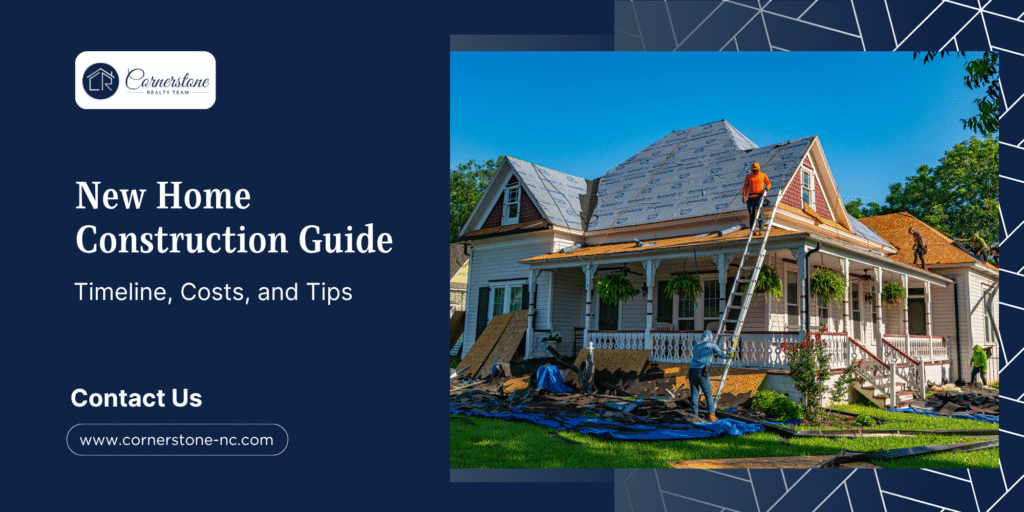
Building a new home gives you the freedom to shape every detail according to your lifestyle. You choose the layout, materials, finishes, and features that match your vision. Unlike buying an existing property, new construction allows you to start fresh and avoid outdated designs or costly repairs. However, building a home requires careful planning, financial clarity, and patience. Following a reliable new home construction guide can help you stay organized and make informed decisions throughout the journey. You need to manage timelines, monitor costs, and make choices at every stage. If you plan to build in 2026, you must approach the process with a clear roadmap. This article serves as your new home construction guide, explaining timelines, costs, and practical tips so you can move forward with confidence and avoid common mistakes. What Is New Home Construction? New home construction involves building a house from the ground up on a vacant lot. You begin with land selection, move to design and approvals, and then proceed with construction until the home is ready for occupancy. Buyers often choose this option because it provides flexibility. You can select modern layouts, energy-efficient systems, and updated designs that suit current living standards. Instead of adapting to an existing structure, you create a home that fits your needs from day one. Timeline of New Home Construction A clear timeline helps you set expectations and plan your move. While every project differs, most homes take between 6 and 12 months to complete. Larger or custom homes may take longer. Pre-Construction Phase (1–3 Months) This phase lays the groundwork for your entire project. Decisions made here affect cost, design, and timeline. Land Purchase You need to select the right plot before starting construction. Consider location, neighborhood growth, school access, and proximity to work. You should also check zoning laws, soil quality, drainage, and access to utilities such as water, electricity, and sewage. A poor land choice can lead to delays and additional costs, so take time to evaluate all factors. Many buyers also benefit from residential buyer representation at this stage, as it helps them make informed decisions while negotiating land deals and reviewing contracts. Design and Planning Architects and designers help translate your ideas into a workable plan. During this stage, you finalize: Floor plans Number of rooms and layout Exterior style Materials and finishes Structural details You should also think about future needs. For example, extra storage, home office space, or flexible rooms can add long-term value. Permits and Approvals Local authorities must approve your construction plans before work begins. This includes building permits, environmental checks, and zoning compliance. Delays often happen at this stage due to incomplete documents or regulatory requirements. You can reduce delays by working with experienced professionals who understand local rules. Construction Phase (4–8 Months) This phase transforms your plans into a physical structure. Each step builds on the previous one, so proper coordination is essential. Site Preparation and Foundation Builders clear the land, remove debris, and level the surface. They mark the layout and pour the foundation, which supports the entire structure. A strong foundation ensures durability and prevents structural issues in the future. Builders may use slab, crawl space, or basement foundations depending on soil conditions and design. Framing Framing gives shape to your home. Builders construct walls, floors, and the roof structure during this stage. Once framing is complete, you can walk through the house and see room sizes and layout. This is a good time to confirm that everything matches your expectations. Plumbing, Electrical, and HVAC Contractors install essential systems, including: Water supply and drainage Electrical wiring and outlets Heating, ventilation, and air conditioning systems These systems must meet safety codes and efficiency standards. Proper installation reduces maintenance issues later. Interior and Exterior Work This stage focuses on finishing the structure. Interior work includes: Insulation Drywall installation Painting Flooring Cabinets and fixtures Exterior work includes: Roofing Siding or brickwork Windows and doors Driveways and pathways At this stage, your home begins to look complete. Final Phase (1–2 Months) The final phase prepares your home for move-in. Final Inspections Inspectors check the property to ensure it meets safety and building standards. They review electrical systems, plumbing, and structural elements. Walkthrough and Fixes You walk through the home with your builder and identify any issues. This may include minor repairs, paint touch-ups, or adjustments to fixtures. Closing and Move-In Once everything meets expectations, you complete paperwork and take possession of your home. You can then plan your move and start settling in. Costs of Building a New Home Costs vary based on location, design, and material choices. You need to plan your budget carefully to avoid financial stress. Average Cost Per Square Foot In 2026, building costs typically range from $120 to $250 per square foot. Custom homes, premium materials, and complex designs can push costs higher. Major Cost Components Land Cost Land often represents a significant portion of your budget. Prices depend on location, demand, and available infrastructure. Design and Architectural Fees Architects charge for creating plans and revisions. These fees usually range from 5% to 15% of the total construction cost. Construction Materials Material costs include: Concrete and steel Lumber Roofing materials Flooring and finishes Prices may fluctuate due to supply and demand. Labor Costs Skilled workers such as carpenters, electricians, and plumbers contribute to overall expenses. Labor rates vary by region and project complexity. Permits and Fees Local authorities charge fees for approvals, inspections, and permits. These costs vary depending on your location. Hidden Costs to Consider Many buyers overlook additional expenses that can increase the total cost. Landscaping and outdoor design Utility connections and setup Interior upgrades and custom features Appliances and furniture Maintenance tools and initial repairs You should keep a contingency fund of at least 10–15% to handle unexpected expenses. Key Benefits of Residential Buyer Representation That Impact Construction Time and Cost Here are 7 key benefits of residential buyer representation that impact construction time and cost: Builder Selection Made Easy –
Top 11 Home Staging Tips for Real Estate Agents

Selling a property requires more than listing it online and waiting for offers. Buyers make quick decisions based on what they see and feel. That is where home staging makes a real difference. A properly staged home helps buyers connect emotionally and picture their future in that space. Real estate agents who use effective staging techniques can attract more attention, generate stronger interest, and close deals faster. In many cases, staged homes also sell at better prices because they appear more valuable and move-in ready. This article shares 11 powerful home staging tips that real estate agents can use to present properties in the best possible way. Why Home Staging Matters in Real Estate Home staging directly impacts how buyers perceive a property. A clean, organized, and visually appealing home selling guidance creates a strong first impression. Buyers often form opinions within seconds, especially when browsing online listings. Staging also helps highlight the best features of a property while minimizing its flaws. It guides buyers’ attention and allows them to focus on the home’s strengths instead of distractions. In a competitive market, staging gives agents an advantage. It helps listings stand out and increases the chances of faster sales. 1. Declutter Every Space Remove Unnecessary Items Start by clearing out excess belongings. Too many items make rooms feel cramped and disorganized. Remove extra furniture, stacks of papers, and unused decor. Focus on Simplicity Keep surfaces like countertops, tables, and shelves clean and minimal. A simple layout helps buyers focus on the size and functionality of each room. Use Storage Smartly Store away items that are not needed during showings. Organized closets and cabinets also matter because buyers often check storage spaces. 2. Depersonalize the Home Remove Personal Elements Take down family photos, certificates, and personal collections. These items make it harder for buyers to imagine themselves in the home. Create a Universal Appeal Use neutral decor that suits a wide range of tastes. This approach helps the home feel welcoming to more potential buyers. 3. Maximize Natural Light Let Light Fill the Space Open curtains and blinds before every showing. Natural light makes rooms feel larger, cleaner, and more inviting. Clean and Brighten Clean windows, mirrors, and light fixtures. Replace dim bulbs with brighter ones to ensure the home looks vibrant at all times. 4. Use Neutral Colors for a Fresh Look Paint When Necessary Walls with bold or outdated colors can turn buyers away. Apply fresh coats of neutral paint such as white, beige, or soft gray. Create a Calm Atmosphere Neutral tones create a calm and balanced look. They also allow buyers to imagine their own furniture and style in the home. 5. Rearrange Furniture for Better Flow Improve Movement Arrange furniture to create open pathways. Buyers should move easily from one room to another without obstacles. Show Function Clearly Each room must have a clear purpose. For example, set up a spare room as a home office or guest bedroom. This helps buyers understand how they can use the space. Avoid Overcrowding Use fewer pieces of furniture to make rooms feel larger and more open. 6. Focus on High-Impact Areas Prioritize Key Spaces The living room, kitchen, and master bedroom influence buyers the most. Spend extra time staging these areas carefully. Upgrade Small Details In the kitchen, clean countertops and add simple items like a bowl of fresh fruit. In bedrooms, use clean bedding and soft pillows to create a comfortable feel. 7. Add Simple and Elegant Decor Bring Life to the Space Use fresh flowers, indoor plants, or greenery to make the perfect property to buy a home feel lively and welcoming. Keep Decor Minimal Choose a few well-placed accessories instead of filling the room. Items like cushions, rugs, and artwork should complement the space without overwhelming it. 8. Improve Curb Appeal Make a Strong First Impression Buyers form opinions before they step inside. Keep the exterior clean and well-maintained. Maintain the Landscape Trim the lawn, prune bushes, and remove weeds. Add simple touches like potted plants near the entrance. Upgrade the Front Entry A clean door, fresh paint, and good lighting create a warm welcome. 9. Deep Clean Every Corner Clean Thoroughly A spotless home signals proper maintenance. Clean floors, carpets, walls, and all surfaces. Focus on Kitchens and Bathrooms These areas must shine. Clean sinks, countertops, appliances, and tiles carefully. Remove Odors Eliminate any unpleasant smells. Use subtle air fresheners or natural scents to create a pleasant environment. 10. Fix Minor Repairs Before Listing Address Small Problems Repair leaky faucets, loose handles, chipped paint, and cracked tiles. Buyers notice small details and may assume bigger issues exist. Present a Move-In Ready Home A well-maintained home builds confidence and reduces buyer concerns. 11. Stage for High-Quality Listing Photos Prepare for Photography Most buyers begin their search online. High-quality photos attract more clicks and inquiries. Highlight Key Features Arrange furniture and lighting to showcase the best aspects of the home. Bright, clear images create a strong visual impact. Use Consistent Styling Ensure all rooms follow a similar style and tone. Consistency makes the home feel more cohesive. Bonus Tip: Create a Memorable Showing Experience During showings, create a comfortable and inviting atmosphere. Turn on lights, adjust the temperature, and keep the home quiet. Small touches like fresh air or soft background music can leave a lasting impression. Advanced Home Staging Strategies for Agents Here are the top advanced home staging strategies that deliver the biggest impact for agents: 1. Stage for the Target Buyer Design the home around the specific lifestyle of your ideal buyer (young professionals, families, retirees). Every furniture choice and styling decision should reinforce that identity. 2. Create Clear Space Zoning Use rugs, lighting, and furniture placement to define areas (living, dining, work). This helps buyers instantly understand how the home functions and increases emotional attachment. 3. Optimize Furniture Scale and Layout Use properly sized, minimal furniture. Oversized pieces make rooms feel smaller, while poorly scaled items make spaces feel unfinished. Layout
How to Find the Perfect Property to Buy Homes Triangle NC

Buying a home in the Triangle area of North Carolina can shape your lifestyle, finances, and future stability. The region continues to attract buyers because of its steady growth, modern infrastructure, and strong community feel. Still, finding the right property requires more than browsing listings. You need a clear plan, smart evaluation, and the right support system. This article gives you a practical path to choose the perfect home in Triangle NC without confusion. Why Triangle NC Is a Great Place to Buy a Home Triangle NC stands out as one of the most desirable housing markets in the United States, with homes for sale Triangle NC attracting buyers for both personal living and long-term investment. Strong Job Market The region offers consistent job growth across multiple industries. Technology companies, healthcare institutions, and research centers continue to expand operations here. This stability attracts skilled professionals and keeps housing demand strong. When you buy a home in an area with a reliable job market, you also protect your property value over time. Quality Education Families prefer Triangle NC because of its respected schools and universities. The presence of major institutions improves the overall environment and raises property demand. Even if you do not have children, homes in strong school districts often maintain higher resale value. Balanced Lifestyle Triangle NC gives you access to both urban energy and peaceful suburban living. You can enjoy green parks, walking trails, and local events without sacrificing access to shopping centers and entertainment. This balance makes daily life more enjoyable and convenient. Set Your Budget Before You Start A clear budget keeps your home search focused and prevents financial stress later. Review Your Finances Start by evaluating your current financial situation. Look at your monthly income, existing debts, and savings. Calculate how much you can comfortably spend on a mortgage without affecting your lifestyle. This step helps you avoid unrealistic expectations. Get Pre-Approved for a Loan A pre-approval letter shows sellers that you are serious and financially ready. Lenders assess your credit score, income, and financial history to determine your loan amount. This step also helps you understand your price range before you begin property visits. Plan for Extra Costs Many buyers focus only on the purchase price and forget additional expenses. You should include closing costs, property taxes, homeowner insurance, and maintenance expenses in your plan. These costs can add up quickly, so preparation matters. Choose the Right Location in Triangle NC The location of your home affects your daily routine and long-term satisfaction. Consider Your Commute A long commute can drain your energy and reduce your quality of life. Choose a location that allows easy access to your workplace or business area. You should also check traffic patterns during peak hours to avoid future frustration. Check Nearby Amenities Daily convenience matters more than most buyers expect. Look for nearby grocery stores, hospitals, schools, and public transportation options. Easy access to these essentials saves time and improves your overall experience. Research Neighborhood Growth Some neighborhoods show faster development than others. Look for signs such as new construction projects, improved roads, and upcoming commercial areas. These factors often lead to higher property value in the future. Identify Your Home Needs and Preferences Clarity about your needs helps you avoid wasting time on unsuitable properties. Must-Have Features Your must-have list should include non-negotiable features. Think about your daily routine and space requirements. For example, a growing family may need extra bedrooms, while remote workers may require a quiet office space. This list helps you filter out homes that do not meet your basic needs. Nice-to-Have Features Nice-to-have features improve comfort but are not essential. These may include upgraded interiors, modern appliances, or a landscaped backyard. You can prioritize these features based on your budget flexibility. Future Needs Think beyond your current situation. If you plan to expand your family or work from home long-term, choose a property that can adapt. A home that meets future needs saves you from moving again too soon. Work with a Local Real Estate Expert A knowledgeable agent can simplify the entire buying process. Access to Listings Real estate agents often have early access to new listings. This advantage helps you act quickly in a competitive market. You may also gain access to properties that are not widely advertised. Market Knowledge An experienced agent understands local pricing trends and neighborhood dynamics. They can tell you whether a property is priced fairly or not. This insight helps you make better decisions. Professional Guidance From paperwork to negotiations, an agent handles complex steps with ease. They help you avoid legal issues, missed deadlines, and costly mistakes. Their guidance saves both time and effort. Visit Properties and Evaluate Carefully Property visits give you a real sense of what a home offers. Inspect the Property Condition Look closely at structural elements such as walls, ceilings, and floors. Check for signs of water damage, cracks, or poor maintenance. These issues can lead to expensive repairs if ignored. Check Natural Light and Layout A bright and well-designed home feels more comfortable. Pay attention to window placement and room flow. A practical layout makes daily living easier and more enjoyable. Observe the Neighborhood Spend time in the neighborhood before making a decision. Visit during the day and evening to get a full picture. Notice noise levels, cleanliness, and overall safety. Compare Multiple Properties Comparing options helps you make a confident and informed choice. Analyze Price vs Value Do not judge a property by price alone. Compare features, location, and condition with similar homes. A slightly higher price may offer better long-term value. Review Market Trends Study whether home prices in the area are rising, stable, or declining. A growing market increases your chances of future profit. Your agent can provide useful data for this analysis. Keep Emotions in Check It is easy to feel attached to a beautiful home. However, you should stay practical and focus on long-term benefits. A clear mindset leads to smarter decisions. Make a
How to Buy Homes in Triangle NC Step-by-Step Guide
Buying a home in North Carolina’s Triangle area feels exciting, but it also requires careful planning. The region continues to attract buyers due to its strong economy, growing population, and quality lifestyle. Cities like Raleigh, Durham, and Chapel Hill offer diverse housing options, which makes the area suitable for families, professionals, and first-time buyers. If you want to succeed in this competitive market, you need a clear process. A step-by-step approach helps you avoid confusion and make better decisions. This article explains how to buy homes in Triangle NC using a simple and practical method. What Is the Triangle NC Area? The Triangle refers to a well-known region in North Carolina that includes three major cities: Raleigh, Durham, and Chapel Hill. These cities form a triangular shape on the map, which gives the area its name. The region also includes nearby towns and suburbs that continue to grow rapidly. Each part of the Triangle offers a different lifestyle. Raleigh provides a modern urban environment with strong job opportunities. Durham combines historic charm with new developments. Chapel Hill offers a quieter atmosphere with a focus on education. This variety allows buyers to choose a location that matches their needs. Why People Choose to Buy Homes in Triangle NC Many buyers choose this region because it offers a balance between career opportunities and quality living. The area hosts major companies, research institutions, and universities, which creates a stable job market. This stability attracts professionals from different industries. The region also offers strong education systems, making it a popular choice for families. In addition, new housing developments and infrastructure projects continue to improve the overall living experience. Buyers can find different types of homes, from affordable townhouses to spacious single-family properties. Step 1: Set Your Budget The first step in buying a home involves setting a clear budget. You need to review your income, savings, and monthly expenses to understand what you can afford. This step helps you avoid financial stress later. You should also consider additional costs beyond the purchase price. These include property taxes, insurance, maintenance, and closing fees. Many buyers overlook these expenses, which can create unexpected challenges. Getting pre-approved for a mortgage also helps at this stage. A lender reviews your financial situation and provides a pre-approval letter. This shows sellers that you are serious and ready to buy. Step 2: Choose the Right Location Location plays a major role in your home-buying decision. The Triangle offers different neighborhoods, each with unique features. Your choice should depend on your lifestyle, work location, and personal preferences. Raleigh suits buyers who want a fast-paced environment with job opportunities and modern housing. Durham offers a mix of culture and growth, attracting professionals and students. Chapel Hill provides a quieter setting with strong educational institutions. Suburban areas around these cities offer more space and often lower prices. These areas work well for buyers who prefer a peaceful environment while staying close to the city. Step 3: Work with a Real Estate Agent A real estate agent plays a key role in the home-buying process. They guide you through each step and help you make informed decisions. A local agent understands the Triangle market and can provide valuable insights. Agents help you find suitable properties, arrange viewings, and negotiate with sellers. They also handle paperwork and ensure that the process moves smoothly. Choosing an experienced agent can save time and reduce stress. Step 4: Start Your Home Search Once you define your budget and location, you can begin searching for a home. You should identify your priorities before looking at properties. Think about the number of bedrooms, size of the house, and proximity to schools or workplaces. Visiting properties in person helps you evaluate their condition and layout. Photos may not always show the full picture, so seeing the home directly provides better clarity. You should compare multiple options before making a decision. This allows you to find a home that truly meets your needs. Step 5: Make an Offer After finding the right home listing preparation, you need to make an offer. Your real estate agent helps you determine a fair price based on market conditions and property value. The offer includes the purchase price, conditions, and proposed closing date. The seller may accept your offer, reject it, or respond with changes. Negotiation often takes place before both parties reach an agreement. This step requires patience and clear communication. A strong offer increases your chances of securing the property. Step 6: Schedule a Home Inspection Once the seller accepts your offer, you should schedule a home inspection. This step helps identify any issues with the property. A professional inspector checks the structure, plumbing, electrical systems, and other important areas. The inspection report provides detailed information about the property’s condition. If the report reveals problems, you can request repairs or negotiate the price. This step protects you from unexpected expenses after purchase. Step 7: Secure Your Financing After the inspection, you move forward with finalizing your mortgage. You need to submit required documents such as income proof, bank statements, and credit details. Your lender reviews these documents and completes the loan approval process. Locking your interest rate at this stage protects you from changes in the market. This step ensures that you have the financial support needed to complete the purchase. Step 8: Conduct a Final Walkthrough Before closing, you should visit the property again. This final walkthrough allows you to check the home’s condition. You need to confirm that the property matches the agreed terms. If the seller agreed to make repairs, you should verify that they completed them properly. This step gives you peace of mind before finalizing the deal. Step 9: Close the Deal Closing is the final step in the home-buying process. During this stage, you sign all legal and financial documents required to transfer ownership. You also pay closing costs, which may include fees for legal services, loan processing, and title transfer. Once everything is complete, you receive
Affordable Real Estate Services in Triangle NC for First-Time Buyers

Buying your first home is an exciting milestone, but it can also feel overwhelming—especially in a competitive market like the Triangle area of North Carolina. From understanding property values to navigating financing options, first-time buyers often face a steep learning curve. That’s where affordable real estate services come in, offering guidance and support without stretching your budget. In Triangle NC, which includes vibrant cities like Raleigh, Durham, and Chapel Hill, the housing market continues to grow, attracting new buyers every year. Affordable real estate services Triangle NC help simplify the process by connecting you with experienced agents, providing access to the latest listings, and assisting with negotiations and paperwork. These services are designed to ensure that even buyers with limited budgets can find the right home with confidence. Whether you’re searching for a cozy starter home or planning a long-term investment, the right support can make all the difference. With expert help, your journey to homeownership in Triangle NC can be smooth, informed, and financially manageable. Why First-Time Buyers Need Affordable Real Estate Services First-time buyers often face several challenges. They may not know how much they can afford, how to secure financing, or how to negotiate a good deal. Without guidance, they risk overpaying or missing out on better opportunities. Affordable real estate services provide support at every step. Agents who focus on budget-friendly solutions help buyers: Set realistic price expectations Access first-time buyer programs Find homes in growing yet affordable neighborhoods Avoid unnecessary expenses These services reduce stress and help buyers make informed decisions. What Makes Triangle NC a Great Place to Buy Your First Home The Triangle region attracts many first-time buyers because it offers a strong balance between cost and quality of life. It includes Raleigh, Durham, and Chapel Hill, each with unique advantages. Strong Job Market The area hosts major employers in technology, healthcare, and education. Research Triangle Park creates steady demand for housing, which helps maintain property value. Diverse Housing Options You can find a range of homes, including: Townhouses Condos Starter single-family homes Newly built communities This variety makes it easier for first-time buyers to enter the market. Growing Neighborhoods Many neighborhoods in the Triangle continue to grow, offering affordable entry points with long-term potential. Key Features of Affordable Real Estate Services Not all real estate services focus on affordability. First-time buyers should look for agents and agencies that prioritize budget-conscious solutions. Transparent Pricing Affordable services clearly explain all costs, including agent fees, closing costs, and additional expenses. This transparency prevents surprises later in the process. Access to Assistance Programs Many buyers do not know they qualify for financial help. Good agents connect clients with: Down payment assistance programs First-time buyer grants Low-interest loan options These programs can significantly reduce upfront costs. Local Market Knowledge Agents who know the Triangle area well can identify neighborhoods where buyers get more value for their money. They also understand market trends and pricing strategies. Negotiation Skills Strong negotiation skills help buyers secure better deals. A skilled agent can: Negotiate price reductions Request seller concessions Identify overpriced listings This saves money and increases buyer confidence. Best Affordable Neighborhoods in Triangle NC First-time buyers often focus on location and price. With the help of real estate guidance Triangle NC, several areas in the Triangle offer good value without sacrificing convenience. Raleigh Suburbs Neighborhoods on the outskirts of Raleigh often provide more space at lower prices. These areas still offer easy access to downtown and major highways. Durham Revitalization Areas Durham has seen significant growth in recent years. Some neighborhoods still offer affordable homes, especially for buyers willing to invest in up-and-coming areas. Chapel Hill Surroundings While Chapel Hill itself can be expensive, nearby towns provide more affordable options with access to top schools and amenities. Steps First-Time Buyers Should Follow Buying your first home becomes easier when you follow a clear plan. Step 1: Set Your Budget Start by reviewing your income, savings, and monthly expenses. Determine how much you can comfortably spend on a home. Step 2: Get Pre-Approved for a Mortgage Pre-approval shows sellers that you are serious. It also gives you a clear idea of your price range. Step 3: Work with an Affordable Real Estate Agent Choose an agent who specializes in working with first-time buyers. They will guide you through the process and help you avoid costly mistakes. Step 4: Start Your Home Search Look at homes that match your budget and needs. Keep an open mind, especially if you want to stay within your price range. Step 5: Make a Smart Offer Your agent will help you make a competitive offer based on market conditions. Avoid overbidding, especially if the home does not justify the price. Step 6: Complete Inspections and Closing Home inspections protect you from hidden issues. Once everything checks out, you can move forward with closing. Tips to Save Money When Buying Your First Home First-time buyers can take several steps to reduce costs. Improve Your Credit Score A higher credit score helps you secure better mortgage rates. Even a small improvement can save thousands over time. Compare Lenders Do not settle for the first mortgage offer. Compare rates from multiple lenders to find the best deal. Consider Fixer-Uppers Homes that need minor repairs often cost less. If you are willing to invest time and effort, you can save money upfront. Avoid Unnecessary Upgrades Focus on essential features rather than luxury upgrades. You can always improve your home later. Common Mistakes First-Time Buyers Should Avoid Many buyers make avoidable mistakes that cost time and money. Skipping Pre-Approval Without pre-approval, you may fall in love with a home you cannot afford. Ignoring Additional Costs Buying a home involves more than just the purchase price. Buyers should plan for: Closing costs Property taxes Maintenance expenses Letting Emotions Drive Decisions Emotional decisions often lead to overpaying. Stay focused on your budget and long-term goals. Not Working with the Right Agent An inexperienced or unresponsive agent can slow down the process and
Essential Tips to Buy Homes in the Triangle: A Step-by-Step Guide

Buying a home is a major milestone and one of the most significant financial decisions you will ever make. If you’re planning to buy a home in the Triangle area, you’re entering one of the most dynamic and desirable real estate markets. The process can feel overwhelming, especially with rising demand and competitive pricing, but with the right home selling guidance, it becomes much more manageable. This guide provides essential tips to buy homes in the Triangle, breaking down each step so you can move forward with clarity and confidence. Whether you’re a first-time buyer or a seasoned investor, understanding the process is key to making a smart and successful purchase. Why the Triangle Area Attracts Homebuyers The Triangle region—commonly known for its strong economy and thriving communities—continues to attract homebuyers from across the country. One of the biggest draws is its booming job market, fueled by industries such as technology, healthcare, and education. In addition to economic opportunities, the area offers an exceptional quality of life. Residents enjoy access to top-rated schools, green spaces, cultural events, and modern amenities. The balance between urban convenience and suburban comfort makes it appealing to a wide range of buyers. Affordability also plays a role. While home prices have been rising, they are still relatively competitive compared to other major metropolitan areas. Combined with steady property appreciation, this makes the Triangle a strong choice for both living and investing. A Step-by-Step Guide to Buying a Home in the Triangle Step 1: Set Your Home Buying Goals Before starting your search, define what you want in a home. Consider factors like property type, size, number of bedrooms, and must-have features. Think about your long-term plans as well. Are you buying a starter home or a forever home? Do you want a quiet neighborhood or something closer to city life? Having clear goals helps you stay focused and avoid distractions during your search. Step 2: Determine Your Budget Understanding your budget is essential. Take a close look at your income, savings, and monthly expenses. Factor in additional costs such as property taxes, insurance, maintenance, and closing fees. Getting pre-approved for a mortgage is a smart move. It gives you a realistic price range and shows sellers that you are a serious buyer. Staying within your financial limits ensures long-term stability and peace of mind. Step 3: Choose the Right Location Location is one of the most important aspects of buying a home. In the Triangle, different neighborhoods offer different lifestyles, and having the right home buying guidance and support can help you choose wisely. Some areas are ideal for families with access to good schools and parks, while others cater to young professionals with vibrant nightlife and easy commutes. Consider proximity to work, schools, healthcare facilities, and shopping centers. Future development plans can also impact property value, so research the area carefully before making a decision. Step 4: Work with a Local Real Estate Expert A knowledgeable real estate agent can make a huge difference in your home-buying experience. Local experts understand the nuances of the Triangle market and can guide you through each step. They help you find suitable properties, negotiate prices, and handle paperwork efficiently. Choosing the right agent can save you time, reduce stress, and help you secure the best deal possible. Step 5: Start Your Home Search Once your goals and budget are clear, begin your home search. Explore online listings, attend open houses, and visit neighborhoods in person. Create a checklist of priorities to compare properties effectively. Be open to compromise, as finding a perfect home within your budget may require flexibility. Take your time to evaluate multiple options before making a decision. Step 6: Evaluate Property Value When you find a home you like, it’s important to assess its true value. Compare it with similar properties in the area to determine whether the price is fair. Look beyond aesthetics and consider the condition of the property. Check the age of major systems such as the roof, plumbing, and electrical work. Understanding these factors can help you avoid unexpected expenses later. Step 7: Make a Competitive Offer The Triangle market can be competitive, so making a strong offer is crucial. Work with your real estate agent to determine a fair and attractive price. In some cases, you may need to act quickly or offer favorable terms to stand out. However, avoid overextending yourself financially. A well-balanced offer increases your chances of success without compromising your budget. Step 8: Conduct a Home Inspection A home inspection is a critical step that should never be skipped. It provides a detailed assessment of the property’s condition and identifies any potential issues. Hire a qualified inspector to examine the structure, foundation, electrical systems, and more. If problems are found, you can negotiate repairs or request a price adjustment. This step ensures you are making a safe and informed investment. Step 9: Secure Financing After your offer is accepted, finalize your mortgage. Work closely with your lender to complete all necessary paperwork and secure your loan. Make sure you understand the terms, including interest rates, monthly payments, and any additional fees. Proper financial planning helps you manage your investment effectively over time. Step 10: Prepare for Closing Closing is the final stage of the home-buying process. During this step, ownership of the property is officially transferred to you. Review all documents carefully and ensure all conditions have been met. You’ll need to pay closing costs and sign legal paperwork. Once everything is complete, you’ll receive the keys to your new home—an exciting and rewarding moment. Common Mistakes to Avoid When Buying a Home Many buyers make mistakes that can lead to financial strain or regret. One common error is not getting pre-approved for a mortgage, which can delay the process and weaken your offer. Another mistake is underestimating additional costs such as maintenance, repairs, and property taxes. Buyers sometimes focus only on the purchase price and overlook long-term expenses. Emotional decision-making is also a
Top Tips and Support for a Smooth Home Buying Journey

Buying a home is one of the biggest decisions most people will ever make. It’s exciting, yes but it can also feel overwhelming if you don’t know what to expect along the way. From figuring out your budget to signing on the dotted line, there are a lot of moving parts involved. The good news? With the right home-buying guidance and support, this journey doesn’t have to be stressful. Whether you’re a first-time buyer or someone returning to the market after a few years, this guide will walk you through practical, real-world tips to make your home buying experience as smooth as possible. Why the Right Guidance Matters Before You Even Start Looking Most people make the mistake of jumping straight into property searches before they’ve done the groundwork. And honestly, I get it — browsing listings is fun. But without proper preparation, you might fall in love with a home that’s completely outside your financial reach, or worse, miss out on one that was perfect because your paperwork wasn’t in order. Before you even think about scheduling viewings, take some time to understand where you actually stand. That means looking at your credit score, understanding your debt-to-income ratio, and figuring out how much you can realistically afford — not just what the bank says you can borrow, but what you can comfortably repay every month without stretching yourself thin. Good home buying guidance and support starts with honest self-assessment. Once you know your numbers, everything else becomes much clearer. Get Pre-Approved, Not Just Pre-Qualified There’s a common confusion between pre-qualification and pre-approval, and it matters more than most people realize. Pre-qualification is essentially a rough estimate based on information you share verbally or through a quick online form. It gives you a ballpark figure, but it doesn’t carry much weight with sellers. Pre-approval, on the other hand, involves an actual review of your financial documents — pay stubs, tax returns, bank statements, and credit history. When you walk into a negotiation with a pre-approval letter, sellers and agents take you seriously. In competitive markets, it can actually be the difference between getting a home and losing it to another buyer. Get pre-approved early. It not only strengthens your position but also helps you shop with confidence knowing exactly what you can afford. Work With a Buyer’s Agent You Actually Trust Let’s talk about something a lot of people overlook: your real estate agent isn’t just someone who opens doors and shows you houses. A good buyer’s agent is your advocate, your advisor, and sometimes your negotiator all rolled into one. The key word there is buyer’s agent. Many agents represent sellers, and while they’re legally required to be honest, their primary duty is to the seller’s interests. A dedicated buyer’s agent works exclusively for you. Look for someone who: Has solid local market knowledge Communicates clearly and promptly Listens to what you actually want (not just what they want to sell) Has experience negotiating in your price range Don’t be afraid to interview a few agents before committing. Ask them how many buyers they’ve worked with in the past year, what neighborhoods they know best, and how they approach pricing strategy. Chemistry matters too — you’ll be spending a fair amount of time with this person. Understand the True Cost of Buying a Home The listing price is just the beginning. One of the most common surprises for first-time buyers is realizing how many additional costs come with purchasing a home. Here’s a quick breakdown of what to factor in: Closing costs — These typically run anywhere from 2% to 5% of the loan amount. They cover things like lender fees, title insurance, attorney fees, appraisal, and more. On a $300,000 home, that could be $6,000 to $15,000 on top of your down payment. Home inspection — Never skip this. A professional inspection can uncover issues that aren’t visible to the naked eye — plumbing problems, roof damage, electrical concerns, foundation issues. The cost of an inspection is small compared to the cost of discovering a major problem after you’ve already moved in. Property taxes and insurance — These will become part of your monthly expenses, either rolled into your mortgage payment or paid separately. Make sure you account for them when calculating what you can afford. Moving costs — Depending on how far you’re moving and how much stuff you have, this can range from a few hundred to several thousand dollars. Maintenance and repairs — A general rule of thumb is to budget about 1% of the home’s value per year for upkeep. On a $250,000 home, that’s $2,500 annually. Things break — and when you’re a homeowner, there’s no landlord to call. Solid home buying guidance and support means making sure you understand all of these costs upfront, not discovering them at the closing table. Don’t Skip the Home Inspection Ever I mentioned it above, but this point deserves its own section because buyers still skip it, especially in hot markets where they feel pressure to make fast, clean offers. Waiving your inspection contingency might make your offer more attractive, but it’s a risk that can cost you dearly. A home might look perfectly fine on the surface and have serious structural or mechanical issues lurking underneath. If you’re in a competitive situation and feel pressure to waive the inspection, consider a compromise — offer to do a pre-offer inspection (before submitting your bid) if the seller will allow it. This way, you can still move quickly without flying blind. A thorough home inspection typically takes two to three hours. Go with the inspector if you can. Ask questions. Learn about the home you’re about to own. It’s one of the most valuable few hours you’ll spend in the entire buying process. Know Your Must-Haves vs. Nice-to-Haves Before you start seriously touring homes, sit down and make two lists. One is your non-negotiables — the things a home absolutely must
Why Hillsborough and Mebane Are Hidden Gems for Homebuyers in Orange County

Buying your first home or relocating to a new area can feel overwhelming—but it doesn’t have to. Many people begin their Orange County home search with their sights set firmly on Chapel Hill. It is easy to see why. The university energy, the beautiful tree-lined streets, and the vibrant downtown make it an incredible place to live. However, as the Triangle continues to grow, so do the home prices and the competition. If you are looking for a bit more space, a slower pace, or simply a better value for your budget, you might feel like your options are limited. That is exactly where Hillsborough and Mebane come in. Located just a short drive from Chapel Hill and Durham, these two towns offer a completely different lifestyle while keeping you connected to everything the Triangle has to offer. They provide distinct personalities, excellent amenities, and a strong sense of community. Let’s break down exactly why these neighboring towns are capturing the attention of savvy buyers, and what you can expect when exploring these communities. The Appeal of Orange County Beyond Chapel Hill Chapel Hill offers a highly specific, college-town lifestyle. But Orange County is expansive, and its northern and western corridors provide a refreshing change of scenery. When you look slightly outside the immediate Chapel Hill radius, you find towns that have preserved their historic roots while thoughtfully welcoming new growth. You trade the dense traffic for winding country roads, and the busy campus energy for quiet, walkable downtowns. Most importantly, you find options. Whether you want a historic home with a sprawling front porch or a brand-new build in a quiet subdivision, the inventory here is diverse. These towns allow you to stretch your budget further without sacrificing the quality of life that makes North Carolina so appealing. Hillsborough: Historic Charm Meets Modern Living Hillsborough is the county seat of Orange County, but it feels a world away from the busy commercial centers of the Triangle. It is a town deeply rooted in history, art, and nature. If you want a place where local shop owners know your name and weekends are spent strolling along the river, Hillsborough should be at the top of your list. Community and Lifestyle The heart of Hillsborough is its historic downtown. Lined with buildings dating back to the 18th century, the streets are now filled with independent bookstores, local art galleries, and fantastic farm-to-table restaurants. Nature is also built right into the fabric of the town. The Riverwalk, a paved greenway following the Eno River, connects different neighborhoods to the downtown area. It is a popular spot for morning runs, dog walks, and weekend bike rides. The town also hosts a lively Last Fridays Art Walk, bringing neighbors together to celebrate local artists and musicians. Exploring Hillsborough Homes for Sale When looking at Hillsborough homes for sale, you will notice a delightful variety of architecture. Near the downtown center, you will find beautifully preserved historic homes, charming bungalows, and mid-century ranches. These properties often feature mature trees and incredibly unique character. If you prefer newer construction, the outskirts of Hillsborough offer several growing neighborhoods. These areas provide larger lots, modern floor plans, and family-friendly amenities like community pools and playgrounds. Because the town is committed to preserving its historic feel, even the newer developments tend to blend seamlessly into the natural landscape. Mebane: The “Positively Charming” Alternative Just a bit further west, straddling the border of Orange and Alamance counties, sits Mebane. Known officially as “Positively Charming,” Mebane lives up to its motto. It perfectly bridges the gap between the Triangle and the Triad (Greensboro, Winston-Salem, High Point), making it an ideal location for commuters. Community and Lifestyle Mebane offers a vibrant, highly walkable downtown that has seen a massive revitalization in recent years. You can spend a Saturday morning grabbing coffee at a local cafe, shopping at boutique clothing stores, and enjoying a great meal at a locally-owned restaurant. The town is also famous for the Tanger Outlets, which draw visitors from all over the state. Despite this commercial convenience, the core of Mebane retains a slow, welcoming, small-town atmosphere. Families appreciate the excellent local parks, the community recreation center, and the frequent town-sponsored events like the annual Dogwood Festival. Navigating Mebane Real Estate The Mebane real estate landscape is dynamic and rapidly expanding. Because the town has more land available for development than its eastern neighbors, it has become a haven for those seeking new construction. Buyers can find beautiful, spacious homes in master-planned communities that offer incredible value. You will see a lot of modern craftsman-style homes, townhome communities perfect for first-time buyers or downsizers, and properties with plenty of backyard space. The property taxes in the Alamance County portion of Mebane are also notably lower, which can make a significant difference in your monthly mortgage payment. Finding Affordable Homes in Orange County Affordability is a major factor driving buyers toward Hillsborough and Mebane. Finding affordable homes in Orange County can be challenging if you restrict your search solely to the Chapel Hill or Carrboro city limits. By expanding your radius just 15 to 20 minutes, your purchasing power increases dramatically. More Square Footage: The same budget that buys a modest townhome in Chapel Hill can often secure a spacious single-family home in Mebane. Larger Lots: If having a big backyard for the dog or a garden is a priority, Hillsborough and Mebane offer much more land for your money. Lower Taxes: Depending on exactly where you buy, stepping outside the Chapel Hill-Carrboro city school tax district can result in noticeable savings. These financial benefits do not require you to compromise on lifestyle. You still enjoy incredible local dining, strong community networks, and a straightforward commute to major employment hubs like Research Triangle Park or Duke University. What This Means for Your Home Search Real estate, reimagined with care, means looking at the big picture of your life. It means finding a home that fits your daily routine, your
How to Navigate the Chapel Hill Real Estate Market as a First-Time Buyer

Buying your first home is one of life’s biggest milestones. It’s a decision filled with excitement, anticipation, and more than a few questions. That feeling can be even more intense when you’re looking in a place as sought-after as Chapel Hill. You’re ready to plant your roots, but between the competitive listings and navigating a new process, it’s easy to feel a little overwhelmed. But it doesn’t have to be that way. Chapel Hill is an incredible place to call home, known for its top-tier schools, vibrant cultural scene, and beautiful, tree-lined streets. As a first-time buyer, you can absolutely find your place here. The key is to enter the market with a clear strategy, an understanding of the local landscape, and a trusted guide by your side. This post is designed to give you just that. We’ll walk you through what to expect, how to find value, and the steps you can take to make your first home purchase a confident and successful one. Understanding the Chapel Hill Market The first step is to understand the environment you’re stepping into. The Chapel Hill real estate market is unique. It’s driven by the prestige of the University of North Carolina, the world-class healthcare systems, and its proximity to Research Triangle Park (RTP). This creates consistent demand from students, faculty, medical professionals, and families who are drawn to the exceptional school system. What this means for a first-time buyer is that the market can be competitive, especially for well-priced homes in desirable locations. It’s not uncommon for properties to receive multiple offers. However, this shouldn’t discourage you. It simply means that preparation is your greatest asset. Having your finances in order and being ready to act decisively will put you in a strong position. Getting Your Finances Ready: The First Step Before you even start looking at homes online, the most important step is to get your financial house in order. In a competitive market, being pre-approved for a mortgage is non-negotiable. Talk to a Local Lender: A local lender understands the nuances of the Chapel Hill market. They can guide you through the pre-approval process, help you understand your budget, and give you a clear picture of what you can comfortably afford. Know Your Numbers: Your lender will help you determine your maximum loan amount, but you need to decide on a monthly payment that feels right for your lifestyle. Don’t forget to factor in property taxes, homeowner’s insurance, and potential HOA fees. Prepare for Closing Costs: Beyond your down payment, you’ll also need funds for closing costs, which typically range from 2-5% of the home’s purchase price. This covers expenses like appraisal fees, loan origination fees, and title insurance. Having a pre-approval letter in hand shows sellers that you are a serious, qualified buyer. It gives you the power to make a confident offer when you find the right home. Finding Value: Where to Look in Chapel Hill While Chapel Hill is known for its higher price point, there are still opportunities for first-time buyers to find value. The key is to know where to look and what to look for. Exploring Neighborhoods and Housing Types Townhomes and Condos: For many first-time buyers, a townhome or condo is the perfect entry point into the Chapel Hill market. Communities like Meadowmont or Southern Village offer beautiful townhomes that provide access to incredible amenities and walkability without the price tag of a single-family home. Condos closer to downtown can also be a great option for those who want to be near the energy of Franklin Street. Look Just Outside the Town Center: Neighborhoods a bit further from the immediate downtown and UNC area often provide more home for your money. Exploring areas toward the southern and northern edges of Chapel Hill can reveal charming, established neighborhoods with slightly more accessible price points. Consider Nearby Carrboro: Chapel Hill’s eclectic next-door neighbor, Carrboro, offers a slightly more laid-back vibe and often more affordable housing options. You’re still just minutes from everything Chapel Hill has to offer, but you might find your budget stretches a bit further here. Be Open to a Home That Needs a Little Love A move-in-ready home with all the latest updates will always command a premium. Being open to a home that is structurally sound but needs some cosmetic updates can be a fantastic way to build equity. A fresh coat of paint, new light fixtures, or refinished floors can completely transform a space and make it your own. Working with a Local Real Estate Expert In a market like Chapel Hill, your real estate agent is more than just someone who opens doors. They are your strategic partner, your advocate, and your guide. A true local expert can provide insights you simply can’t find online. They know which neighborhoods have the feel you’re looking for, they have relationships with other agents, and they know how to structure an offer to make it stand out in a multiple-offer situation. Here’s what you should expect from your partnership: Clear Timelines: A plan that outlines every step of the process, so you always know what’s coming next. Honest Answers: Transparent advice about a home’s value, potential red flags, and negotiation strategies. Steady Support: The assurance that you have a team member looking out for your best interests from the first showing to the closing table. Let’s Find Your First Home Buying a home in Chapel Hill is an investment in an incredible community and a wonderful quality of life. As a first-time buyer, the path to ownership is about preparation, strategy, and having the right team on your side. You don’t have to figure it all out on your own. We believe the process should feel empowering, not stressful. It would be a genuine privilege to help you navigate this journey. Let’s talk about your goals, explore your options, and find the perfect place for you to begin your next chapter. We’ll be with you every step of the way.
The Best Parks and Outdoor Spaces in Durham

One of the best things about living in Durham is the perfect blend of city energy and natural beauty. You can spend a morning exploring a vibrant downtown filled with innovative restaurants and historic architecture, and by the afternoon, find yourself hiking along a quiet, tree-lined riverbank. This balance is what makes Durham’s quality of life so special. For families, nature lovers, and anyone who needs a moment to unplug, the city’s parks and green spaces are true treasures. They offer a place to play, to gather, and to connect with the outdoors without having to drive for hours. It’s about having options—whether you need a playground to let the kids burn off energy or a peaceful garden to find a moment of calm. Finding your favorite outdoor spot is a big part of feeling at home in a new area. That’s where we come in. This guide will walk you through some of the best parks and outdoor spaces in Durham, so you can find the perfect place for your next family adventure or quiet escape. Eno River State Park: A Hiker’s Paradise When you ask a Durham local about their favorite outdoor spot, Eno River State Park is almost always at the top of the list. This is not just a park; it’s a sprawling natural oasis that feels a world away from the city, yet it’s just a few minutes from downtown. The Eno River winds through over 4,300 acres of protected forest, creating a stunning landscape for all kinds of outdoor activities. What to Do There Hiking: The park boasts nearly 30 miles of trails that cater to all skill levels. For a family-friendly hike, the Cox Mountain Trail offers a scenic loop with a cool suspension bridge that kids love. More experienced hikers can tackle longer, more rugged sections of the trail system. Kayaking and Canoeing: The river itself is perfect for a paddle. You can launch your own kayak or canoe from several access points and enjoy a peaceful float downstream, watching for wildlife like herons and turtles. Picnicking: With several designated picnic areas, many equipped with tables and grills, it’s an ideal spot to pack a lunch and make a day of it. The sound of the river flowing nearby provides the perfect natural soundtrack. Eno River State Park is one of the best examples of Durham’s commitment to preserving its natural resources. It’s a place where you can truly immerse yourself in the beauty of the North Carolina landscape. Sarah P. Duke Gardens: Manicured Beauty and Tranquility Located on the campus of Duke University, the Sarah P. Duke Gardens is one of the most acclaimed public gardens in the United States. This 55-acre sanctuary is meticulously maintained and offers a breathtaking journey through different horticultural styles. It’s a place for quiet contemplation, educational exploration, and stunning photo opportunities. Exploring the Gardens Duke Gardens is divided into four main areas, each with its own unique personality: The Historic Core & Terraces: This is the oldest section, featuring formal terraces with vibrant seasonal flower displays. The wisteria-draped pergola is a favorite spot for visitors, especially in the spring. The H.L. Blomquist Garden of Native Plants: This area showcases the diverse flora of the southeastern United States. It’s a wonderful place to learn about native plants and see them thrive in a naturalistic setting. The W.L. Culberson Asiatic Arboretum: Here, you’ll find a tranquil landscape of Japanese maples, cherry trees, and a picturesque pond with an arched bridge. It’s an incredibly peaceful place for a slow, mindful walk. The Doris Duke Center Gardens: This area includes a white garden, a fountain, and the Charlotte Brody Discovery Garden, which is fantastic for families. The Discovery Garden offers hands-on opportunities for children to learn about where food comes from. A visit to Duke Gardens is a must for anyone living in or visiting Durham. It’s free to enter (though parking has a fee) and offers a different kind of beauty in every season. More Family-Friendly Parks in Durham Beyond the two giants, Durham is dotted with wonderful city and county parks that are perfect for everyday fun. These are the spots where you’ll find local families gathering after school and on weekends. West Point on the Eno Not to be confused with the state park, West Point on the Eno is a 404-acre city park with a rich history. Here, you can explore a reconstructed colonial-era gristmill, a historic home, and the old McCown-Mangum House. The park also features picnic shelters, hiking trails along the river, and an amphitheater for community events. It’s a fantastic blend of nature, history, and recreation. Durham Central Park Located in the heart of downtown, Durham Central Park is an urban green space that acts as a community hub. It’s home to the famous Durham Farmers’ Market, a skate park, and a large playground known as “Mount Merrill.” The park hosts food truck rodeos, free concerts, and countless community events throughout the year. It’s the perfect example of how Durham integrates green space into its urban core. Forest Hills Park This historic park in a beautiful neighborhood offers something for everyone. You’ll find a playground, a popular public sprayground for hot summer days, tennis courts, and a paved loop perfect for walking or biking. The mature trees provide plenty of shade, making it a comfortable spot for a picnic even in warmer weather. Finding Your Green Space in the Bull City The abundance of outdoor activities in Durham is a huge part of what makes it such a special place to live. It means you don’t have to choose between the convenience of city life and a connection to nature—you can have both. Choosing a place to live is about more than just the house itself. It’s about finding a community that fits your lifestyle. It’s knowing where you’ll take the dog for a walk, where you’ll meet friends for a picnic, and where you’ll watch your kids play. We believe